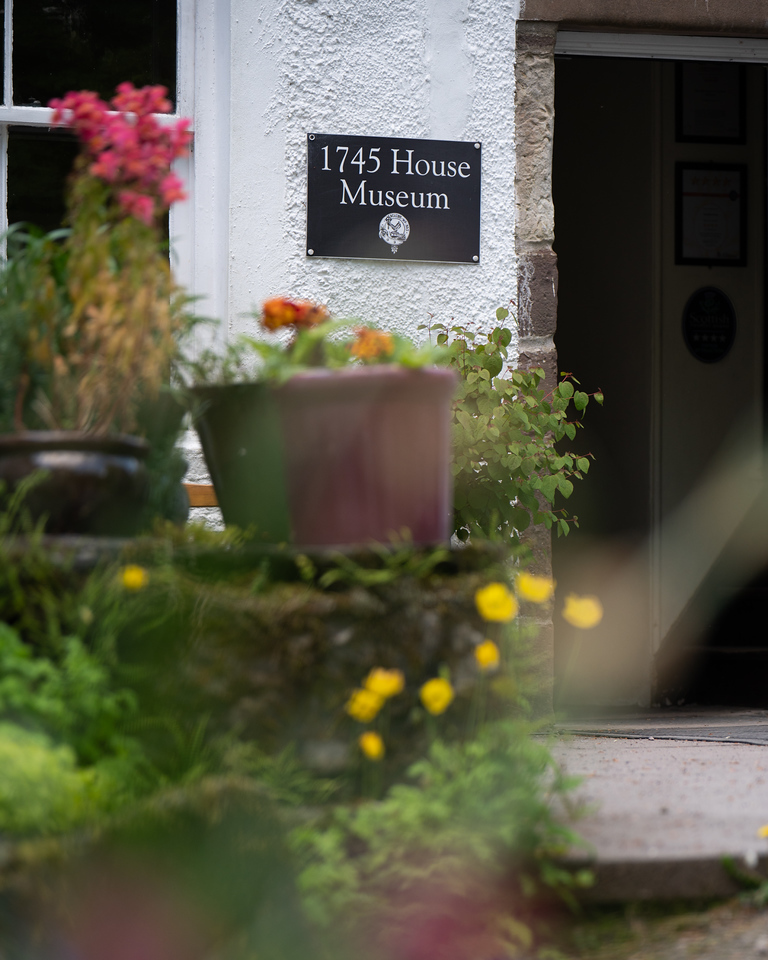
The 1745 House – Dunollie Museum
Built in 1746 when the MacDougalls came down from the castle, the Laird’s House is now home to one of the most interesting small museums in Argyll.
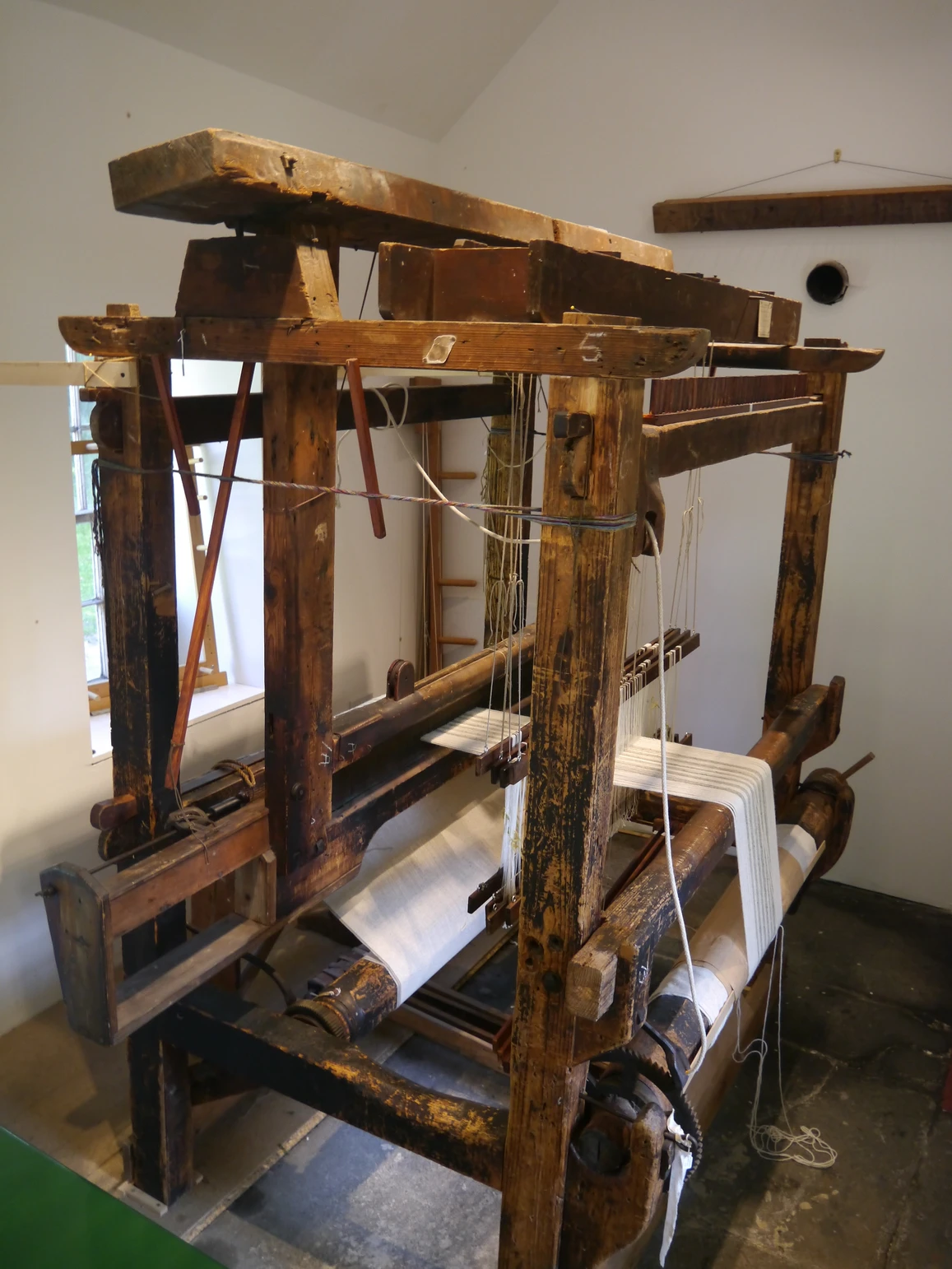
Inside you’ll find the social history of the Highlands and Islands told through everyday objects – tools, textiles, kitchenware, photographs – alongside clan treasures including the famous Brooch of Lorn, said to have been taken from Robert the Bruce at Dalrigh in 1306, and a Jacobite targe and broadsword from the 1715 rising.
Much of what you see was gathered by Hope MacDougall (1913-1998), who spent her life as the clan archivist. She quietly assembled a collection of around 5,000 items documenting the way ordinary people lived and worked across Argyll, the Western Isles and beyond. The museum rotates exhibits through the season, so each visit shows you something a little different. Plenty of reason, then, to come back – which is exactly what your annual pass is for.
Explore the Museum
Dunollie Museum is a rare surviving example of a mid-18th century laird’s house, offering visitors a unique and intimate glimpse into centuries of Highland life. Set within the historic grounds of the MacDougall family, the museum brings together domestic life, clan history, and nationally significant archives all in one place.
Ground Floor: Victorian Kitchen & Domestic Life
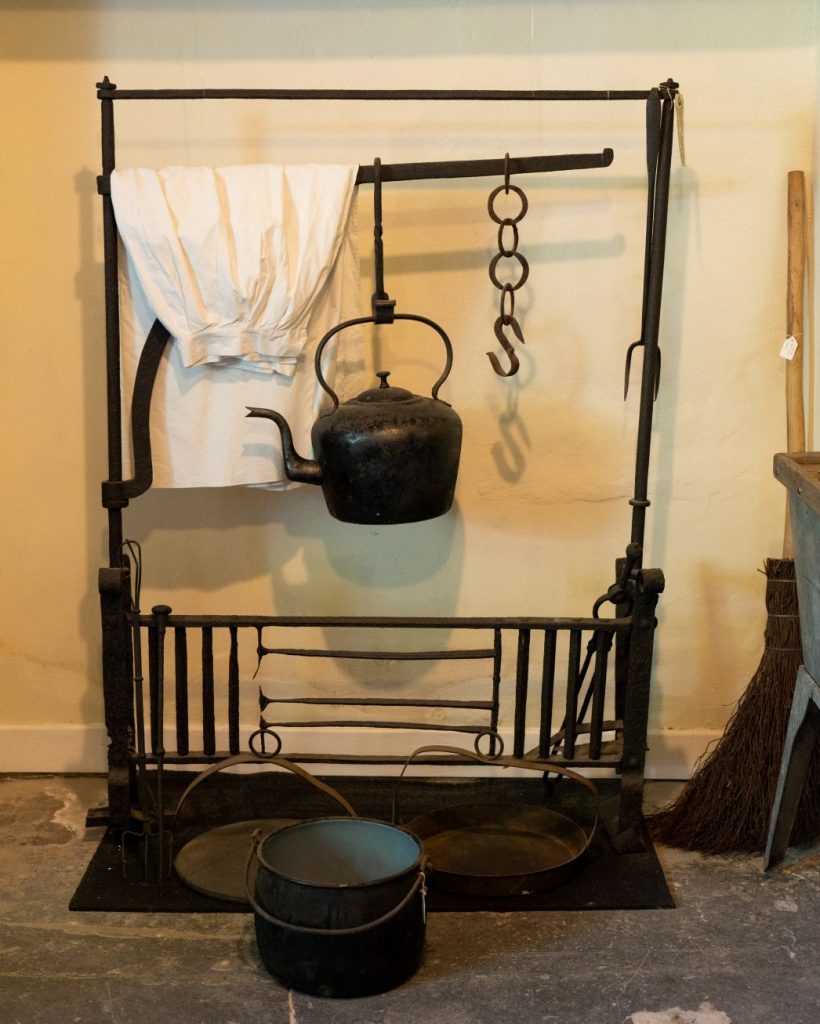
On the ground floor of the museum visitors can explore the Victorian Kitchen, a richly detailed space filled with original and historic objects.
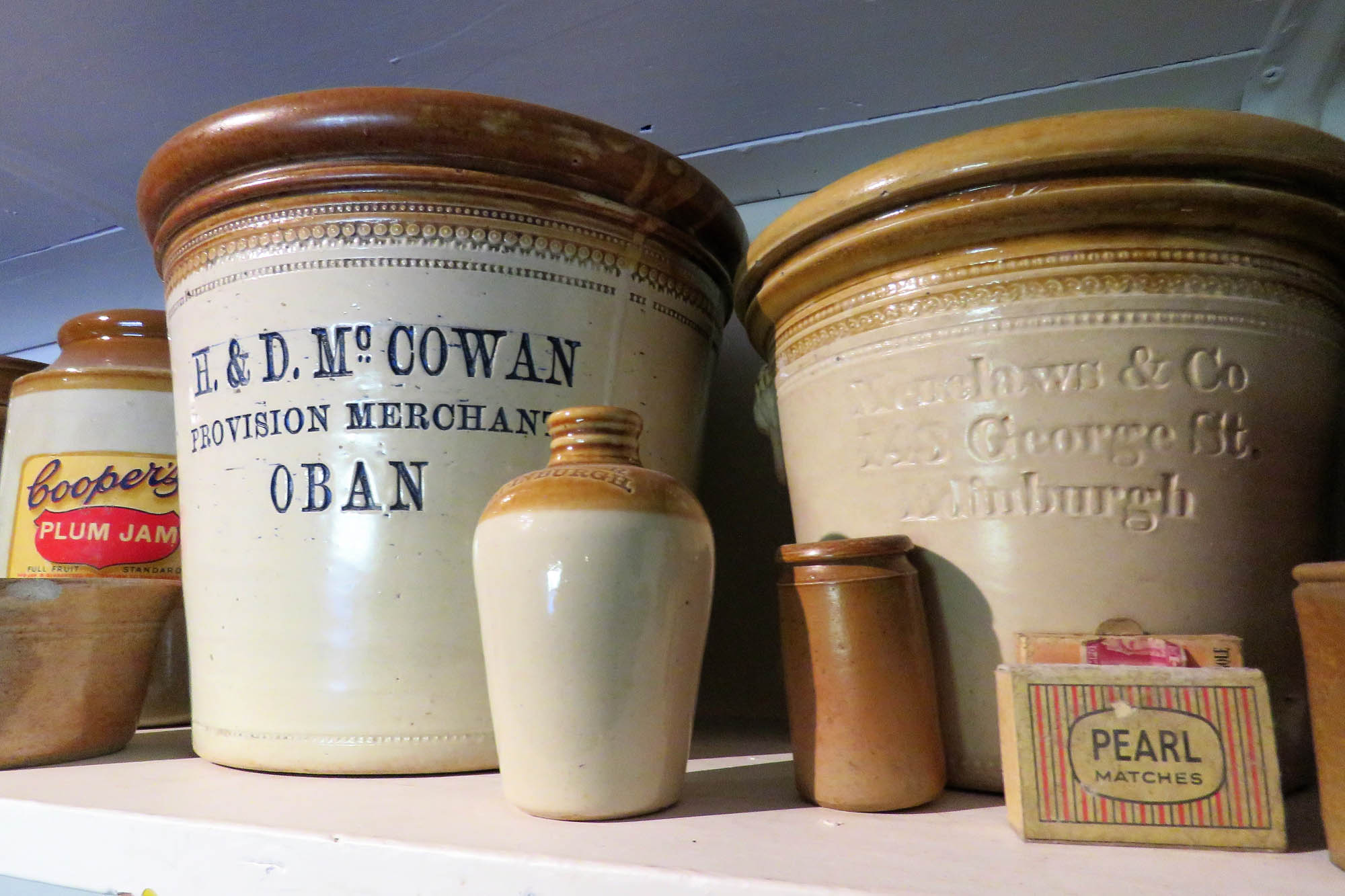
Many of these items come from the Hope MacDougall collection and the wider private MacDougall family collection, offering an authentic insight into domestic life during the Victorian period. The kitchen contains traditional butter-making equipment, baking tools, cookbooks, woven baskets, scales, and a wide variety of household objects that help bring everyday life of the past to life.
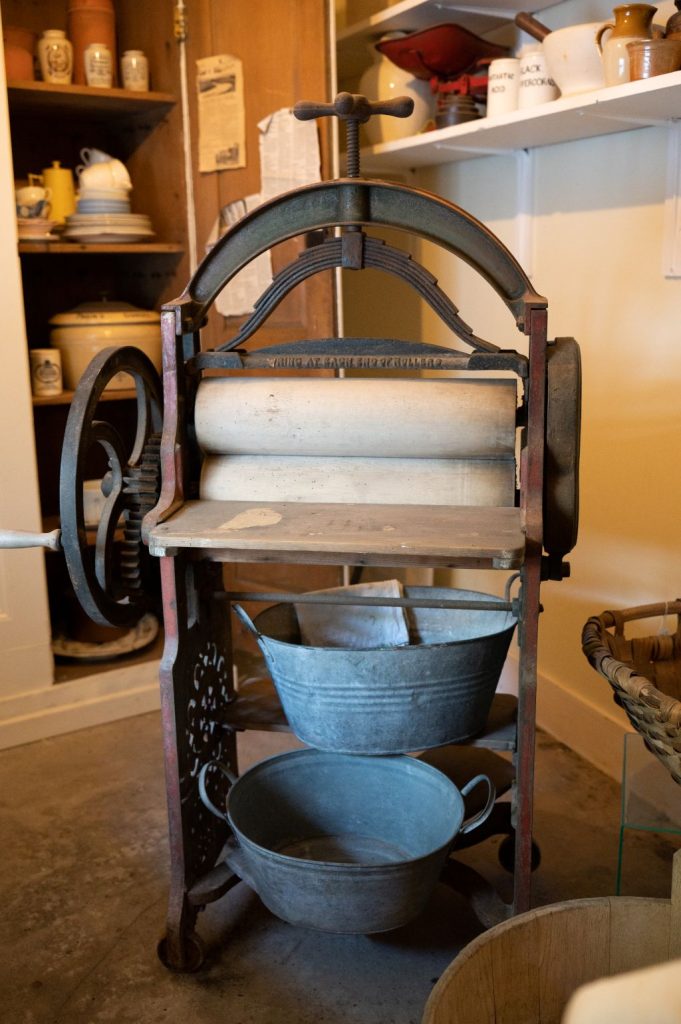
Connected to the kitchen is a traditional scullery, a practical working room historically used for washing dishes, laundry, and as an overflow kitchen area. The scullery contains a mangle, washboards, baking equipment, and other domestic tools which reflect the often unseen labour involved in maintaining a household during the Victorian era.
Clan History Room
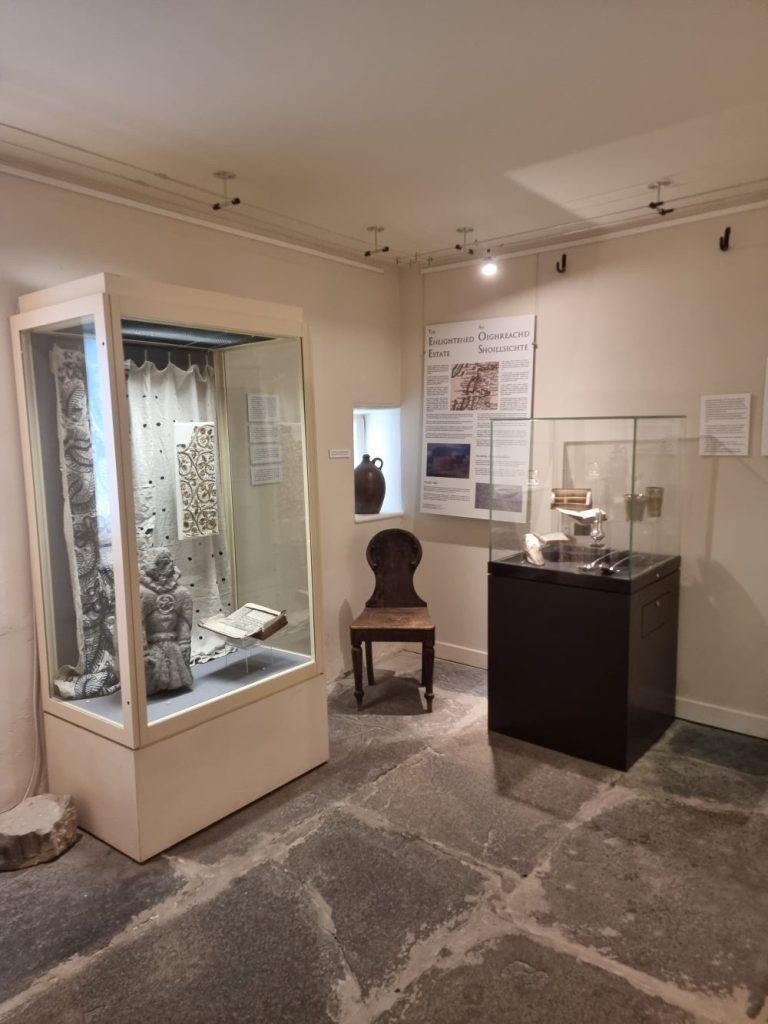
Also located on the ground floor is the Clan History Room, which explores the rich and complex story of the MacDougall clan and the wider local area.
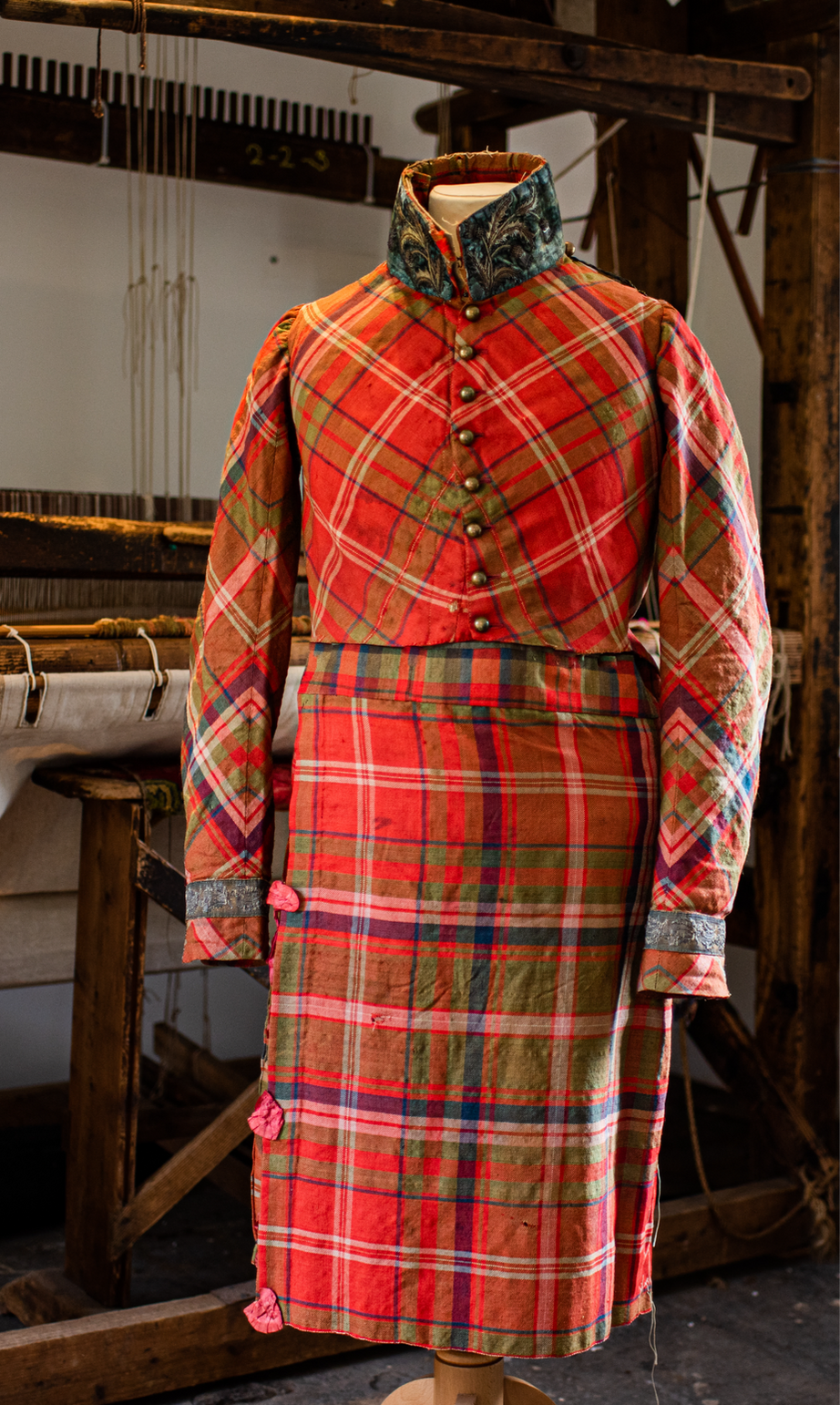
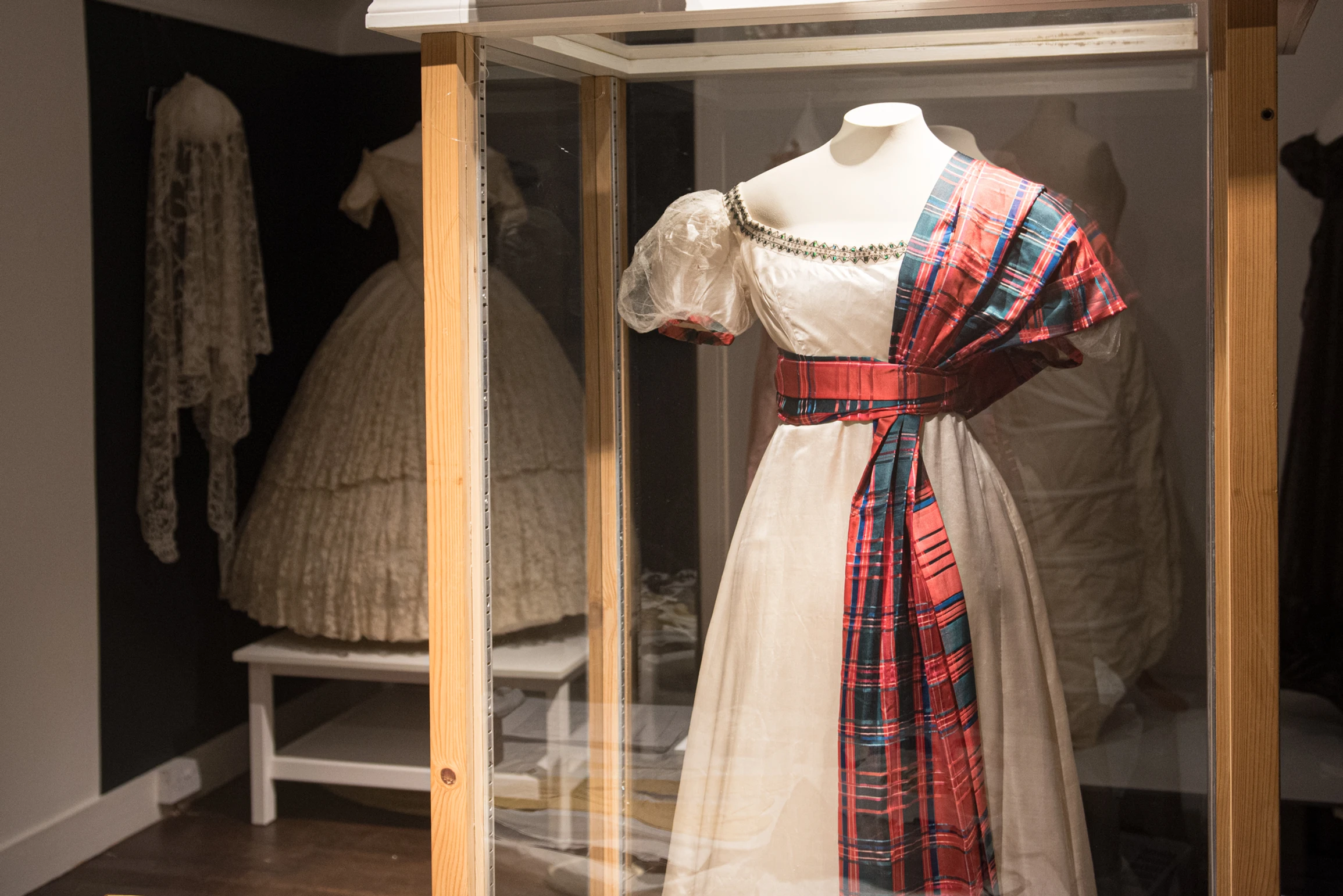
Displays include information on Jacobitism, the construction of the 1745 house, and artefacts from Dunollie Castle itself. Visitors can also view historic textiles, Jacobite swords, targes, and other objects connected to Highland clan history.
First Floor: Temporary Exhibition & Historic Rooms
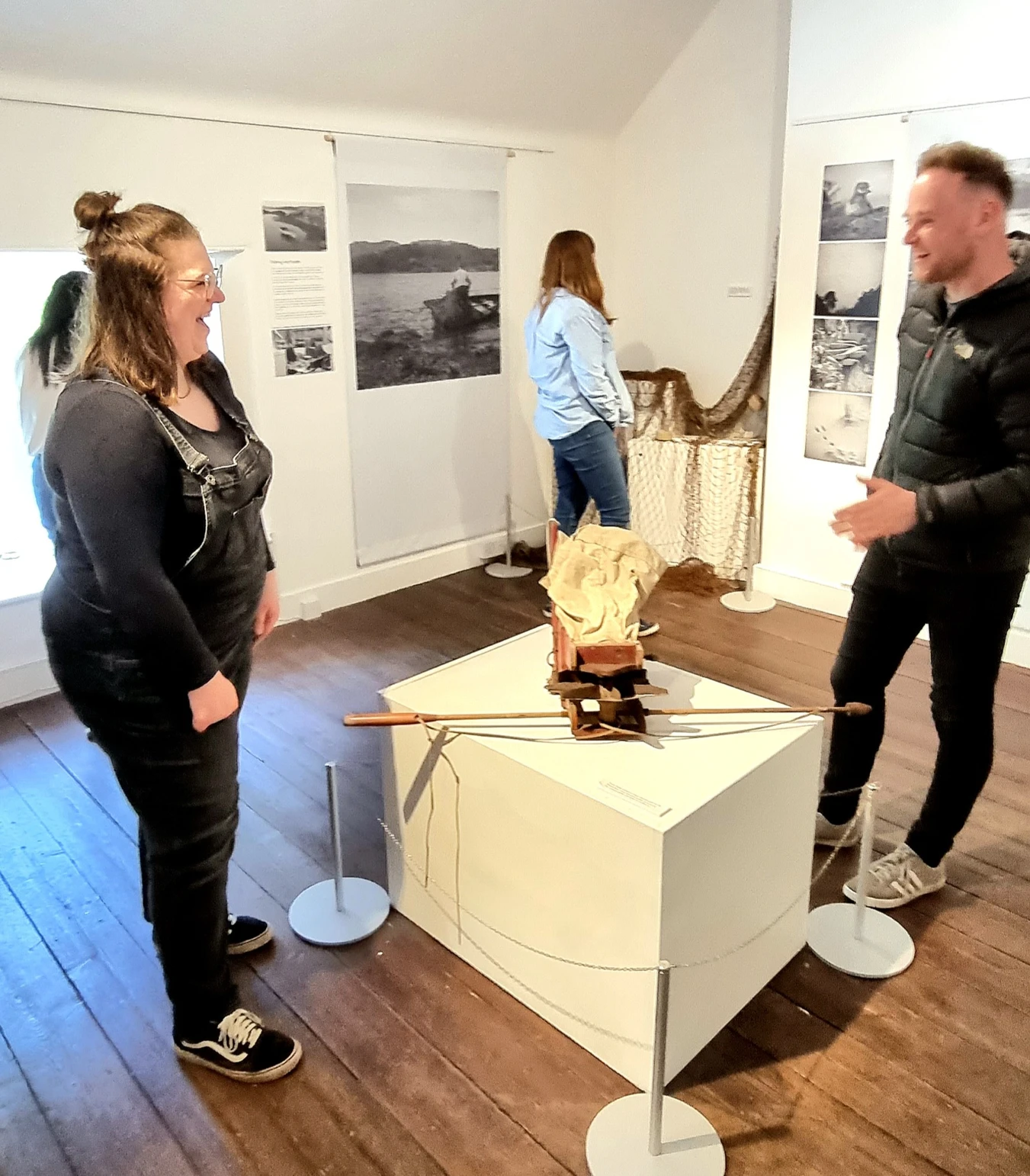
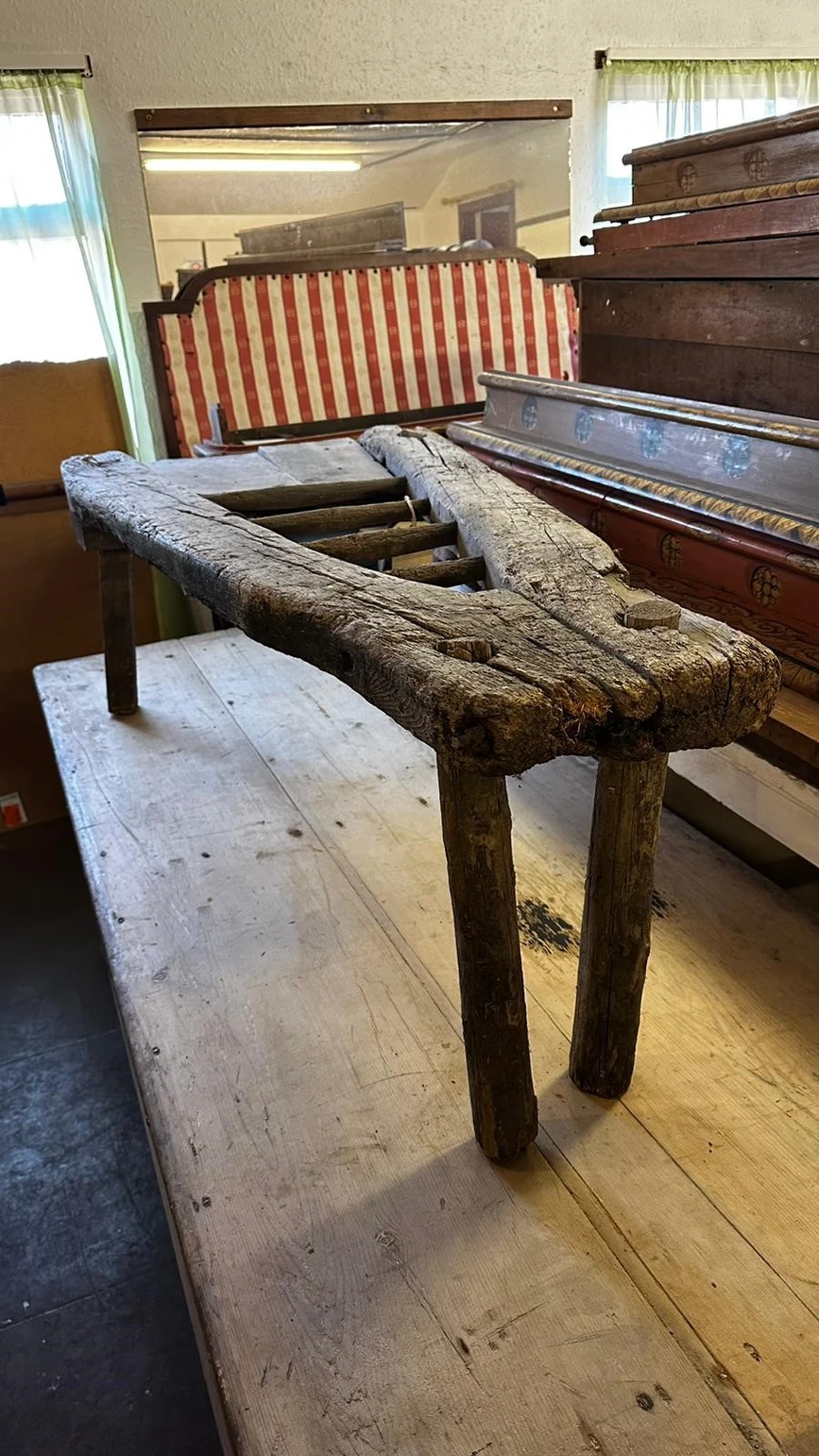
Upstairs, the museum hosts a changing programme of temporary exhibitions. This year’s exhibition focuses on the changes to farming and mechanisation throughout the late 19th and 20th centuries in the local area.
Through this exhibition the museum is able to display many fascinating items from its social history collection, highlighting how technological change transformed rural life and work.
The upper floor also contains a fully preserved Victorian toilet, displayed as an exhibition piece to provide insight into Victorian domestic innovation and hygiene practices. This toilet is not in use and should not be used by visitors.
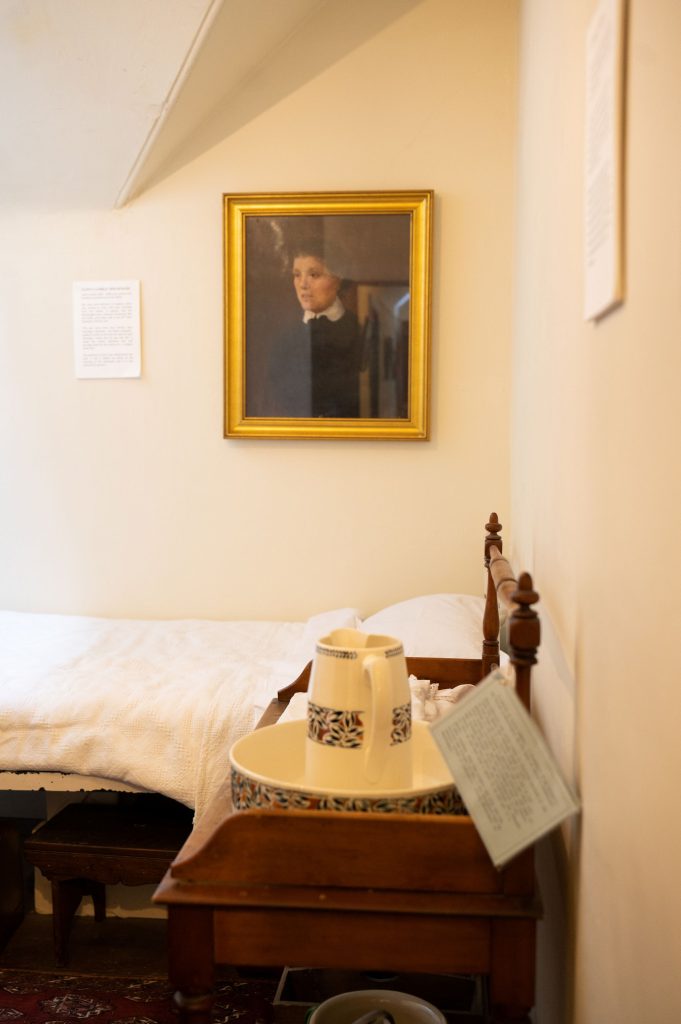
Visitors can also step inside a traditional servants’ bedroom, offering a rare glimpse into the lives and living conditions of domestic staff who worked within historic Highland households. In contrast, the museum’s reading room provides a peaceful and relaxing space where visitors are welcome to browse books from the museum library and spend time reflecting on the history of the site.
The MacDougall Archive
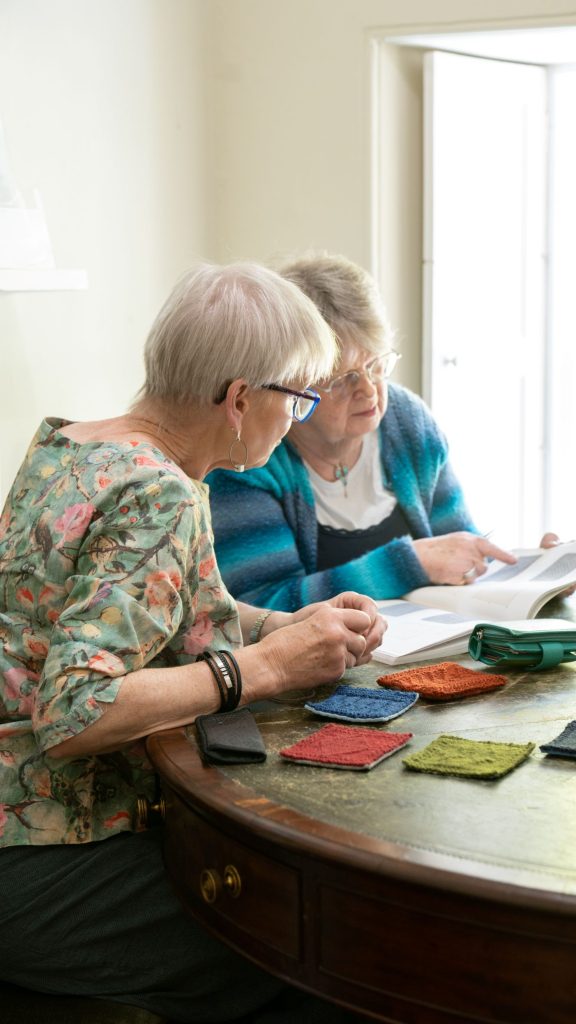
The museum building is also home to the MacDougall archive, a collection of national and international significance which preserves the history of one Highland family in a single location over many centuries.
The earliest documents date from 1450 and continue through to the early 20th century. The archive includes charters, sasines, marriage contracts, Jacobite correspondence, military records, and extensive family papers, alongside many other historically important documents. Materials within the archive are written on parchment, vellum, and paper, in Latin, Scottish secretary hand, and English. Together, these documents form an extraordinary record of Highland life, land ownership, politics, and family history, making the archive one of the most important surviving collections of its kind in Scotland.
The archive is not open to the general public; however, private visits and research appointments may be arranged by prior request.
Visitor Facilities
The 1745 House Museum also offers visitor facilities including women’s toilets with baby changing facilities, as well as an accessible toilet within the building.