Author: rhoda437

  • Sophy & White: Costume

    Sophy & White: Costume

    Some of the most treasured items in Dunollie’s textile collection were photographed by specialist museum photographer Jim Dunn, to create these moving images.

    The reproduction dress made by High School pupils as part of the Cobalt Blue project is included, along with the original Victorian gown from the collections which inspired it.

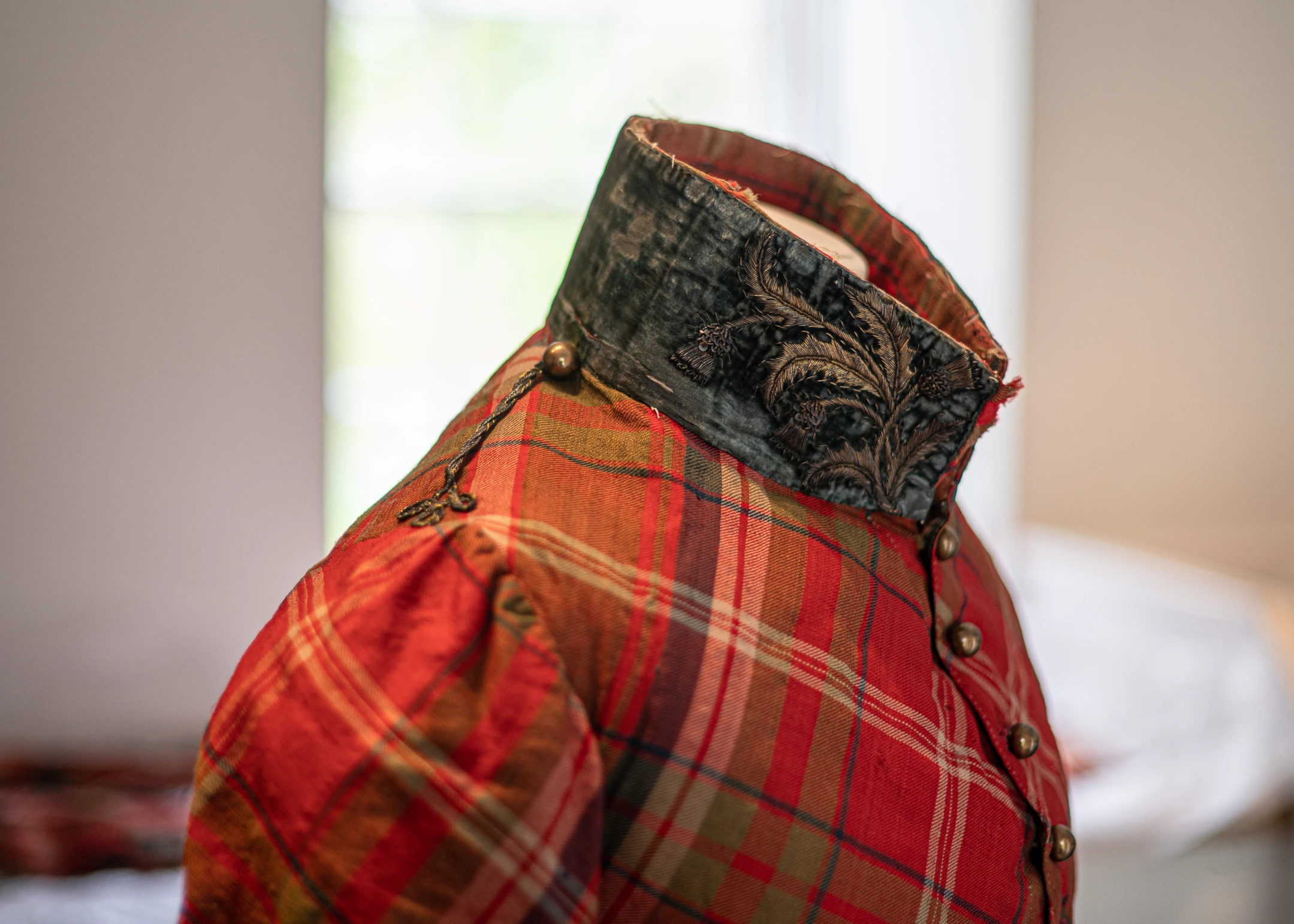
    Admiral John’s Tartan Suit

    Tartan suit made for Admiral Sir John MacDougall, 25th Chief of Clan MacDougall, for the occasion of King George V’s visit to Edinburgh in 1822. 

    A similar suit was made by the same Edinburgh tailor for the King himself.

    It is made of the bright tartan now known as the Heritage MacDougall, in ‘hard tartan’, a much closer and firmer weave than the tartans of today. 

    The suit comprises five pieces:

    • Trews – a slim fitting trouser-like garment with fitted ‘feet’.
    • Kilt – different from a modern buckle kilt, this kilt fastens with buttons
    • Waistcoat – a short waistcoat with a black cotton backing.
    • Coat – Tailored with extraordinary attention to pattern matching. The high velvet collar is embroidered with thistles in silver-gilt thread.
    • Plaid – In the portrait of Admiral John which hangs in the Main House, Admiral John wears a shoulder plaid of Heritage MacDougall tartan, held in place with the great Brooch of Lorn.

    As well as the garments, a pair of stylised ‘cuarans’, a traditional type of soft leather, sometimes deer hide, cut out shoe worn by Highlanders, was made from fine brown leather to be worn with the trews.
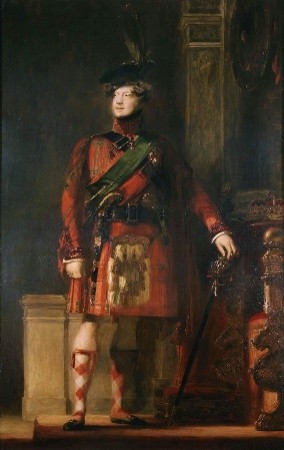
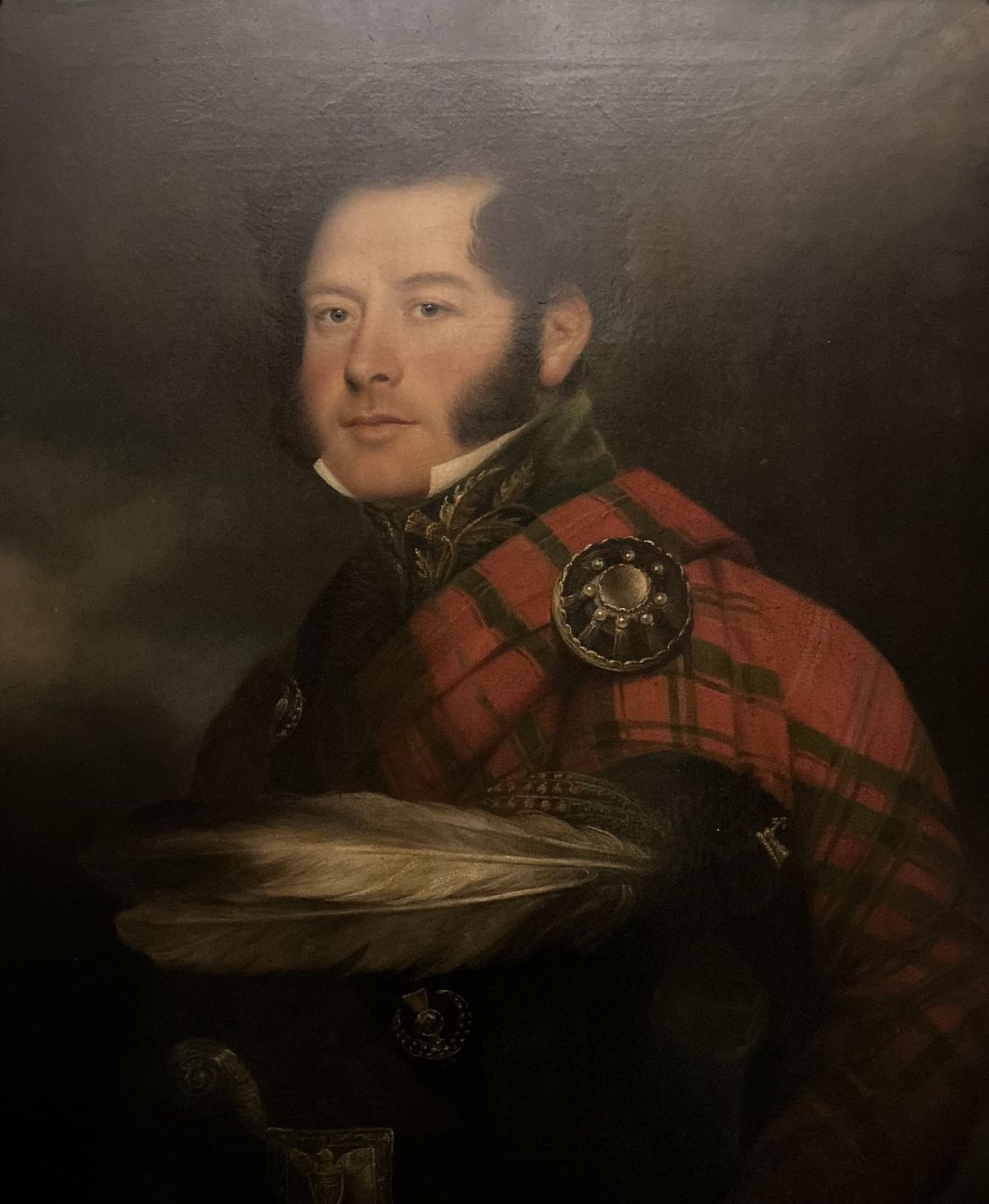
    Fig. 1: King George IV on the occasion of his visit to Edinburgh in 1822. Painted in 1829 by Sir David Wilkie. Oils on canvas.  Royal Collections Trust.  Image: Wikimedia Commons.

    Fig. 2: Admiral Sir John MacDougall, 25th Chief of Clan MacDougall, wearing his tartan suit with the great Brooch of Lorn. He holds his bonnet adorned with three eagle feathers, as is customary for a Clan Chief even today.

    The Beetlewing Dress

    Mary Jane MacDougall, sister of John, accompanied her brother to the levée at Holyrood House, Edinburgh, held for King George IV in 1822.  Like the tartan suit, her dress was made specially for the occasion according to the dress code requested by Sir Walter Scott.   Gentlemen were to be “all plaided and plumed in their tartan array” whereas the ladies were asked to wear ‘a leading dress of white’ with more discreet use of tartan.

    John wrote to his father: “Mary has been at the Drawing Room and the Ball and has been kissed by his Majesty which she is very proud of.  I received His Majesty with a guard of forty Highlanders at Holyrood Palace.”

    The dress, like the suit, is handsewn, as sewing machines did not come into common use until the second half of the 19th century.  Its design represents the height of late Regency fashion; the waistline is still high while the skirts are a slim, flared column with fullness gathered at the back.

    It is made of silk satin, with a bobbinet lace overlay on the sleeves and at the hem.  Fine silk MacDougall tartan edges the sleeves.  A pair of dancing slippers covered with the same tartan silk is in the Dunollie collections. 

    Embellishments and trimming of real beetle wings, known as ‘elytra’ enhance the gown and complement the tartan. Colonial expansion in the Indian subcontinent meant that ‘exotic’ goods like this were being imported into Britain.

     The iridescent green beetle wings would have danced in the candlelight at the glittering events of the King’s Jaunt.

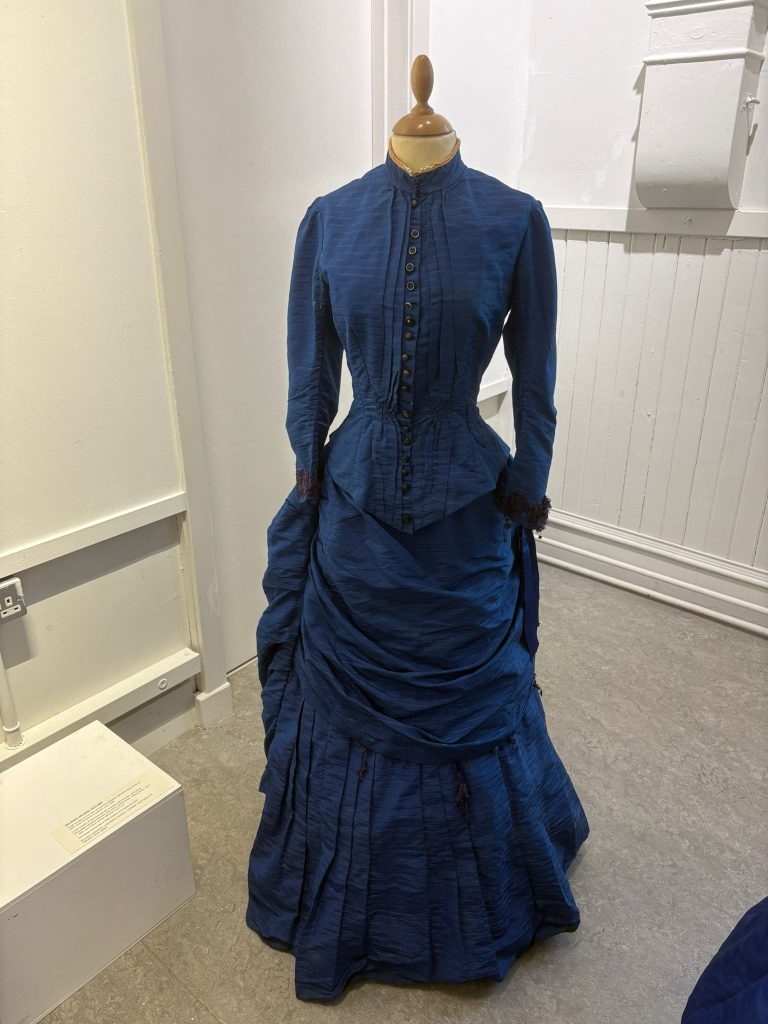
    The Natural Form Dress

    Consisting of a bodice and separate skirt.

    Huge bustles at the rear of women’s dresses had replaced hoop skirts by 1870 and remained in fashion until 1890. 

    The Natural Form era of fashion occurred from approximately 1877 to 1882, in between the Early Bustle and Late Bustle eras.   It is characterized by a slimmer silhouette, vertical lines, and elaborate self-fabric swags and furls, often swirling assymetrically around the skirts.

    This dress is made of deep cobalt blue silk faille (a medium weight silk woven with a ribbed weave).  Skilled placement of baleen (whalebone) was used to create some of the asymmetric shapes of the skirts.

    Despite its quite elaborate design, this is nevertheless a day dress, which would be called a ‘visiting’ or ‘afternoon’ gown – in other words, it was intended for stylish socializing rather than wearing at home.

    The Cobalt Blue dress

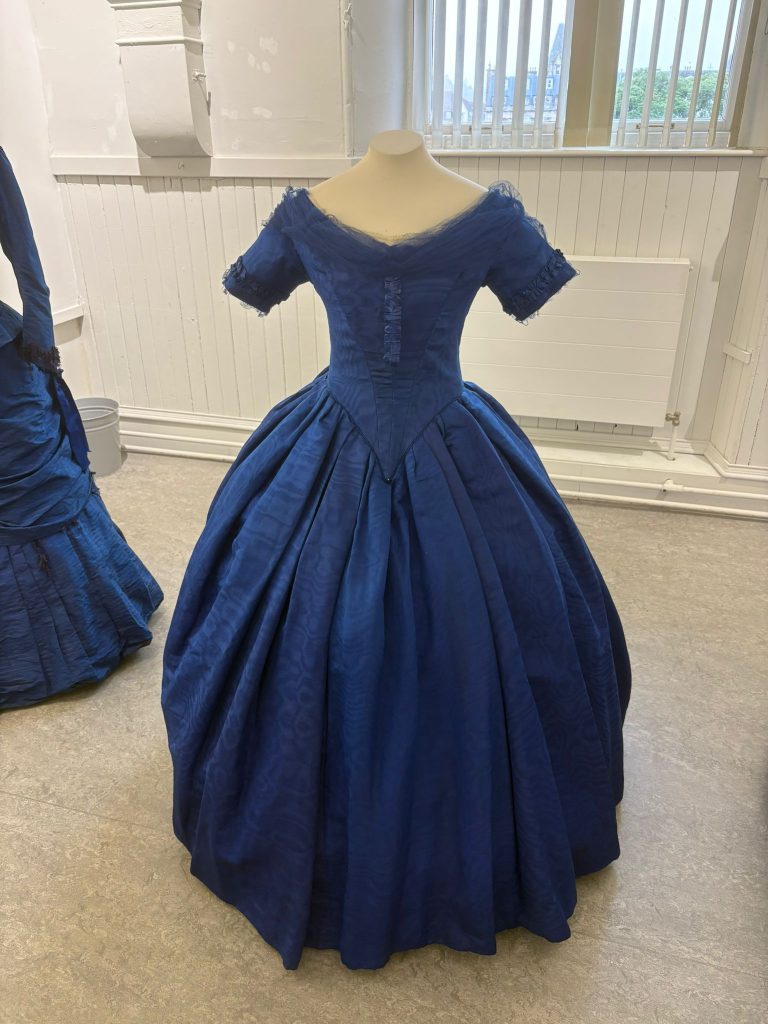
    This mid-19th century gown was altered in 1948 by Jean Hadfield, grandmother of current Clan Chief Robin MacDougall.

    It is made of vivid blue silk moiré, with a white cotton muslin lining. The bodice is boned with baleen, also known as ‘whalebone’.  This is a misnomer, as baleen is actually a fibrous material from the whale’s mouth which filters plankton from sea water.  It was used extensively for corsets and gowns throughout the 19th century.  

    In a pocket was found a dance card from the Argyllshire Gathering ball, 1948.  Jean had reserved almost all of the dances for her husband, Dr. Stephen Hadfield.  Traditional Scottish Country dances such as the Eightsome Reel and the Gay Gordons feature alongside waltzes and foxtrots.

    The gown dates from the late 1840’s – early 1850’s.  It’s simple short sleeves, self-colour and the gothic lines of the bodice centre front point and the single, sweeping darts are all characteristic of this period. The gown was likely dyed with Prussian Blue, a dyestuff invented in 1704 by Johann Diesbach.  It pre-dates the crinoline cage, which became available in 1856, and so its skirts would have been supported by numerous cumbersome petticoats.

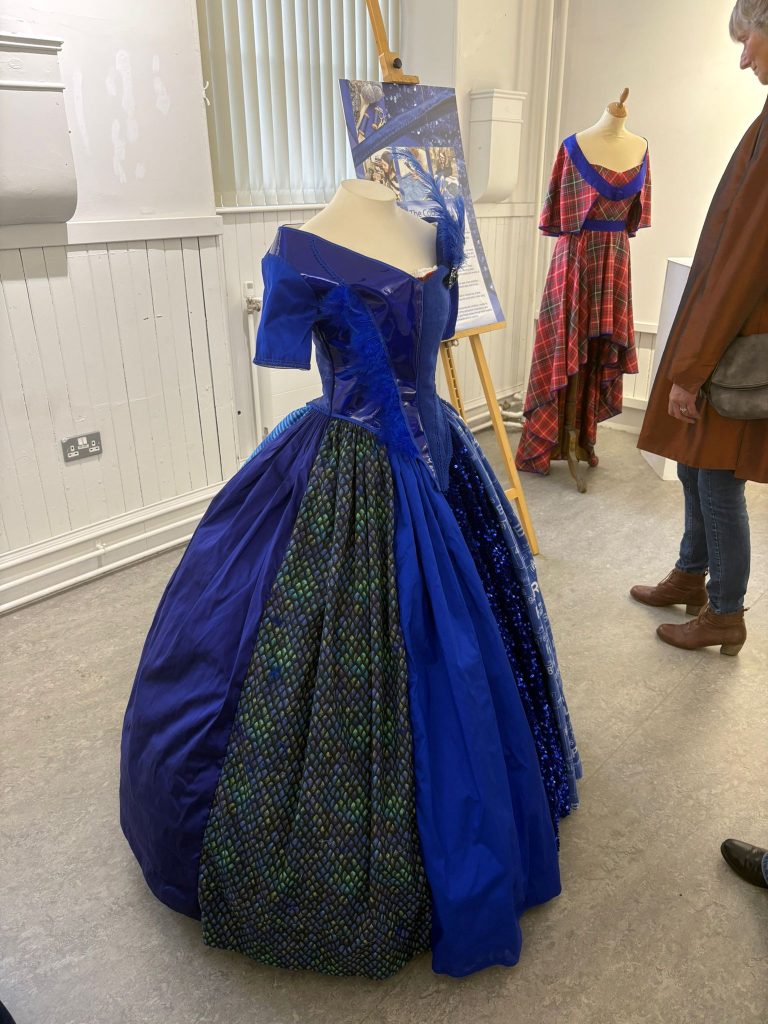
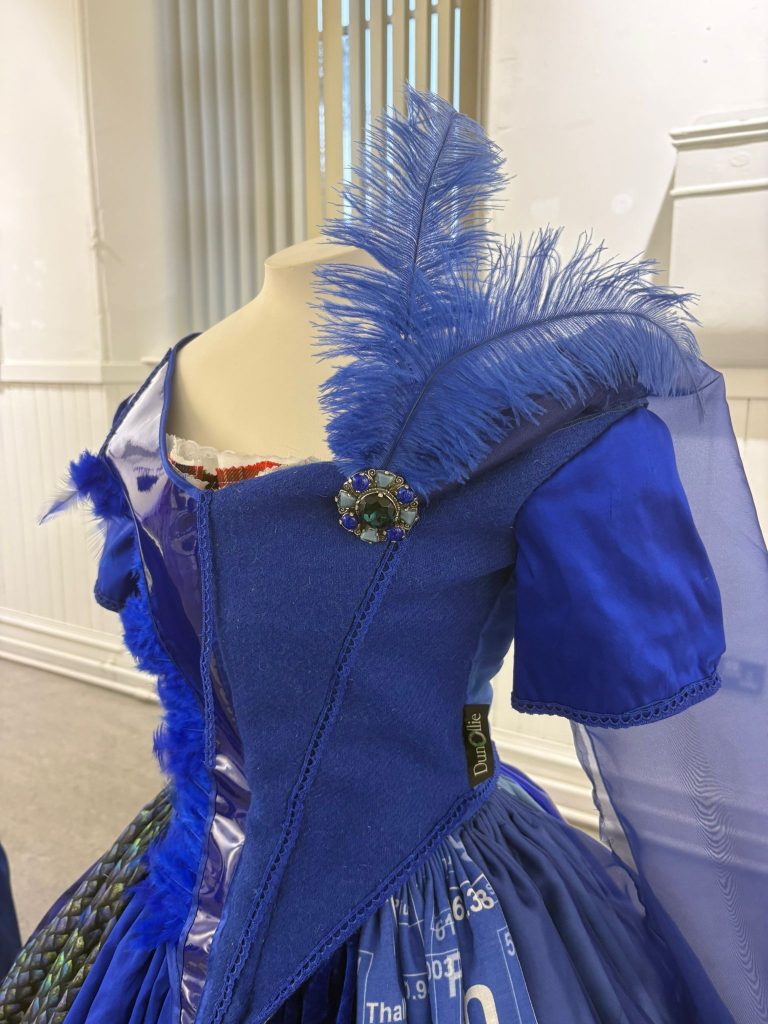
    The Cobalt Blue project dress, 2026

    Sewn with mis-matched blue fabrics, this dress is the result of a project to re-create the original cobalt blue silk gown from Dunollie.

    Oban High School pupils Katie Donnelly, Uist Lennon-Woomble and Hannah Erskine worked with Flora Swietlicki (education officer with the Sophy and White project) over several months to produce this unique garment. 

    Made from second-hand textiles donated by the public, the dress was sewn entirely without electricity, using both handsewing and an antique Singer treadle machine. New skills were learned by all participants throughout the construction process.

    The project team aimed to recreate the gown as its original Victorian version in terms of design and construction, while using 21st century materials.

    One of the skirt panels was designed by Uist Lennon-Woomble, using images of the original Dunollie Cobalt Gown under microscopy printed onto cotton sateen.

    As an artwork, the dress highlights current concerns about sustainability and the impact of fast fashion.  Growing public awareness is leading to more re-use, re-purposing and re-sale of used clothing.

    Iterations of the Dunollie cobalt gown now span three centuries – its original 1850’s form, its 1940’s altered style, and its new 2026 version.
  • SEED

    SEED

    Welcome to SEED

    SEED is one of four engagement projects developed as part of Sophy & White: The Dunollie Collections Unboxed, a project funded by The National Lottery Heritage Fund.

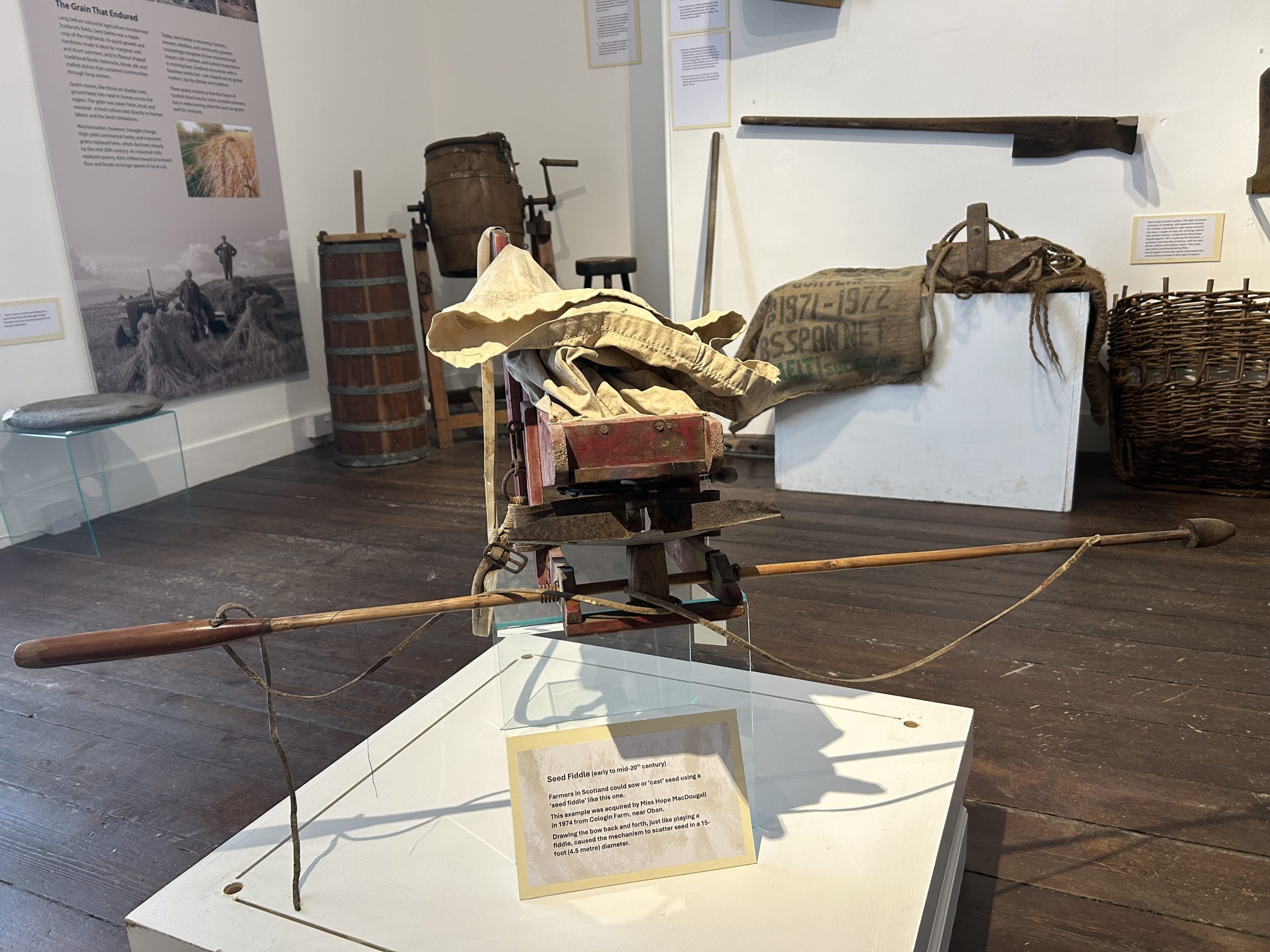
    The SEED theme explores traditional agriculture, food growing, local farming practices, skills and customs, and how mechanisation has transformed both our landscape and the way we produce and consume food.

    Staff at Dunollie Museum, Castle and Grounds have created a range of learning resources for primary-aged learners. These resources can be used individually as standalone activities or combined to support a wider learning programme.

    On this page, you can download resources, watch our short films, and find out about the borrowing box.

    Download the SEED learning resources

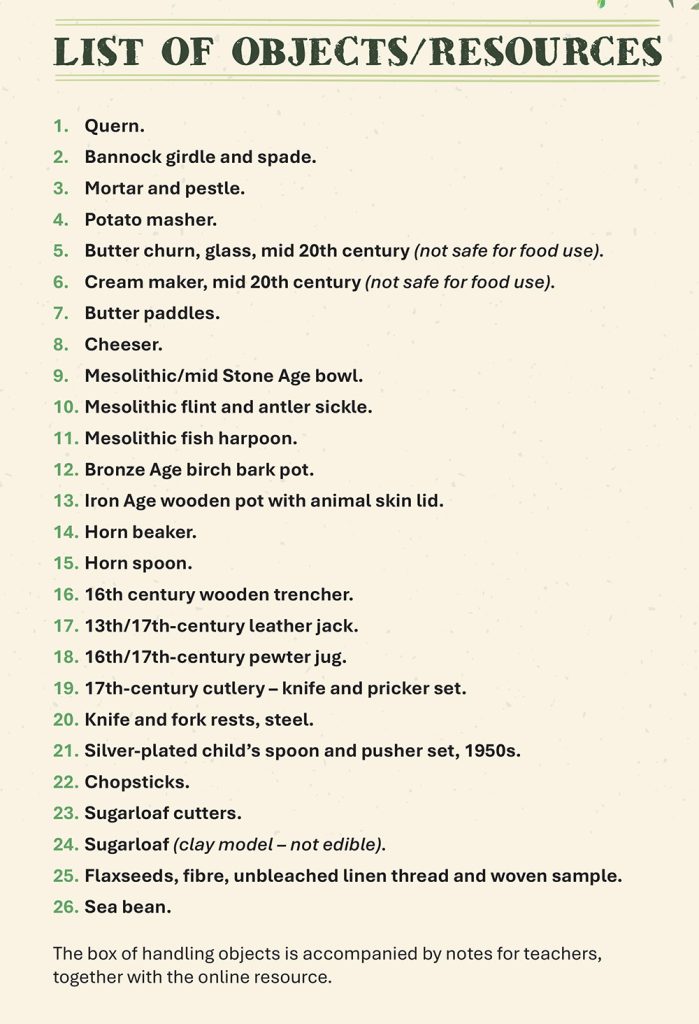
    Explore detailed information about the objects included in the handling box, along with suggested classroom activities and teaching ideas.

    Watch our three short films

    Discover more about the history of food production, farming, traditional skills and local customs connected to Dunollie and the surrounding area.

    Borrow the SEED handling box

    The downloadable resources can be used independently, but they have been designed primarily for use alongside the handling box and are particularly suitable for learners working at Curriculum for Excellence Second Level.

    To arrange a loan of the handling box, please contact us at info@dunollie.org

    Please note:

    • The handling box must be collected from and returned to Dunollie by the borrowing school or organisation.
    • A refundable £10 deposit is required to cover any accidental damage or breakages.

    We’d love your feedback

    We hope you and your learners enjoy exploring the SEED resources. If you use them, please take a few moments to complete our short feedback form. Your comments help us improve and develop future learning opportunities.

    https://forms.gle/rsEQvJbmme3YAP798

    If you are able, please consider making a small donation to support the creation of more educational and engagement resources for schools and communities.

    With grateful thanks to The National Lottery Heritage Fund for making the SEED project possible.

  • Living History Weekend: 4-5 July

    Living History Weekend: 4-5 July

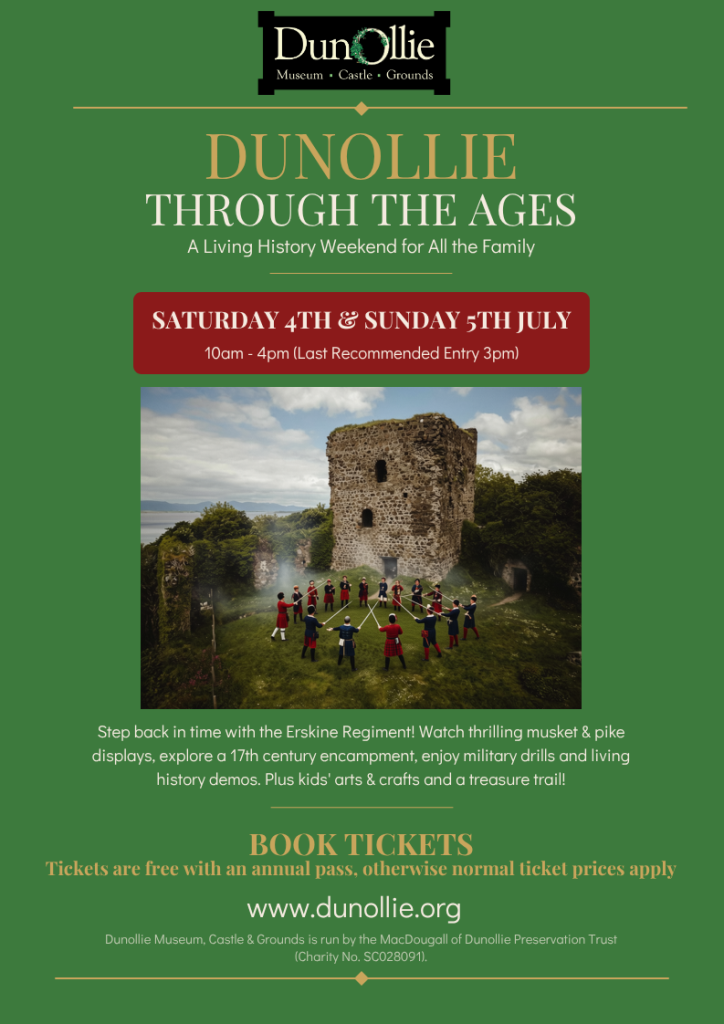
    A living history weekend for all the family

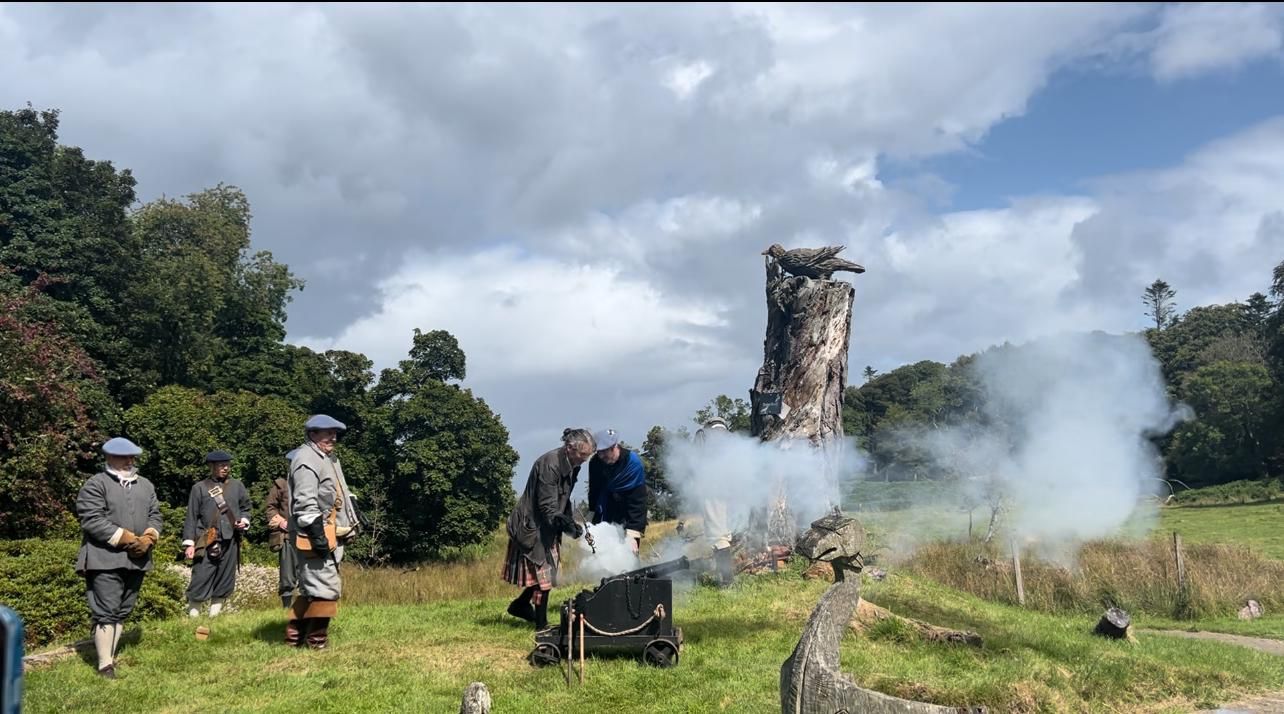
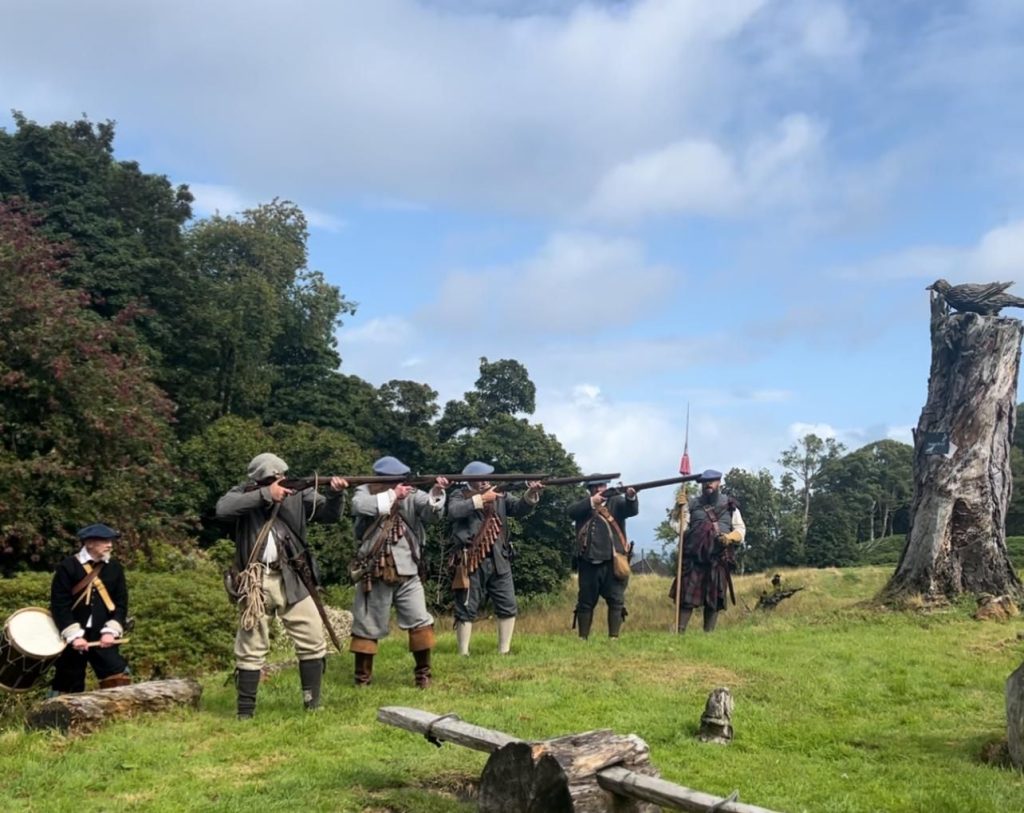
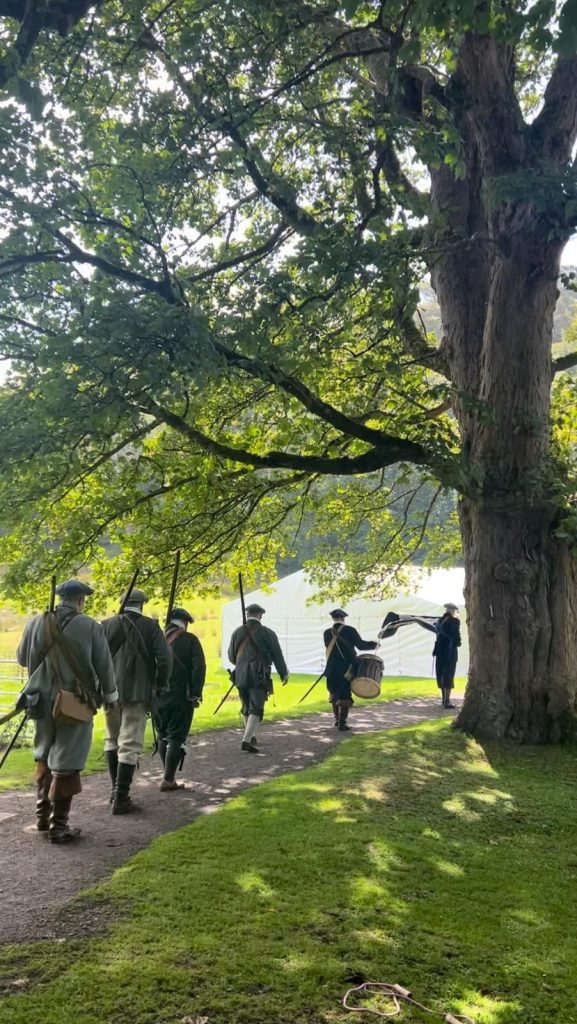
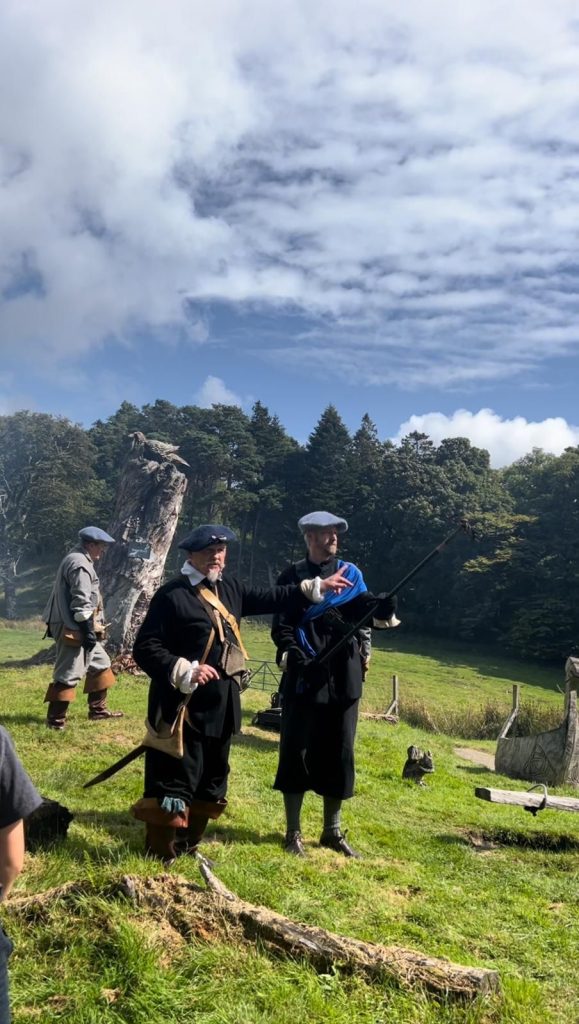
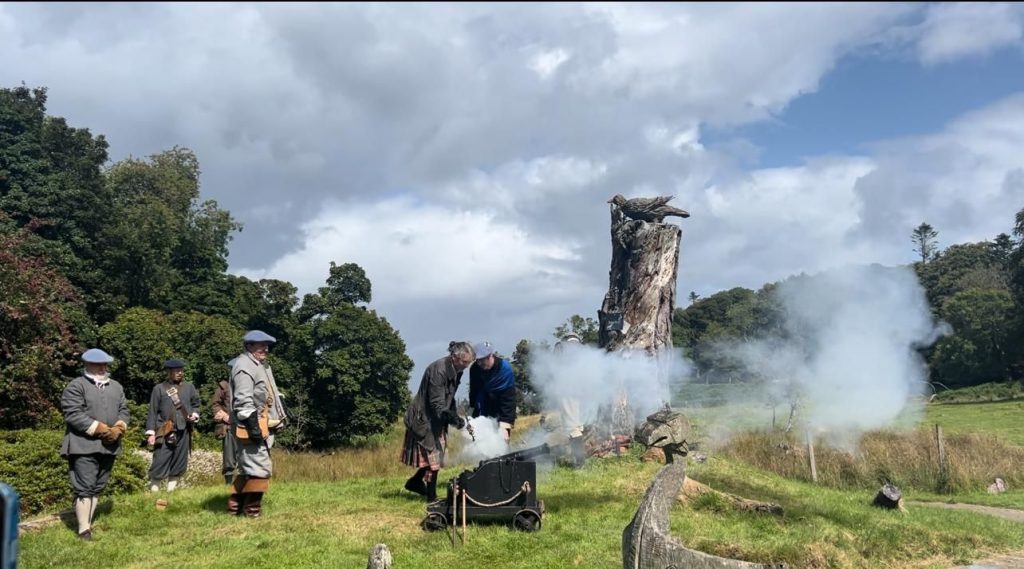
    The Erskine Regiment are setting up an authentic 17th-century camp at the castle. Meet the regiment’s armourer and surgeon. Watch musket, pike and sword displays (with live musket firing), marching through the grounds, and cannon fire you’ll feel as much as hear.

    Talks across the weekend include the MacDougalls in the 17th and 18th centuries, and the Scottish Covenanters in the West Highlands.

    There will be loads for children to get stuck into – with hands-on activities, arts and crafts, history up close.

    The Kettle Garden Café will be open both days for food, with home baking, and hot and cold drinks.

  • Garden Tours: starting June 27th

    Garden Tours: starting June 27th

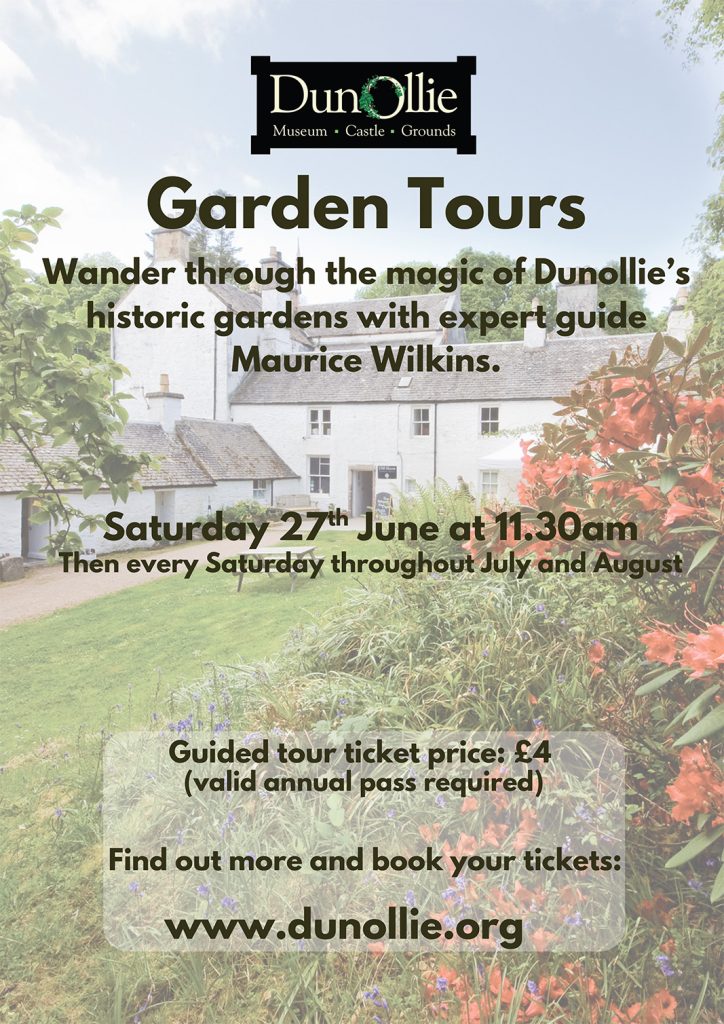
    Garden tours with Maurice Wilkins

    Guided garden tours, starting Saturday 27 June at 11.30am, then every Saturday through July and August. £4 with an annual pass

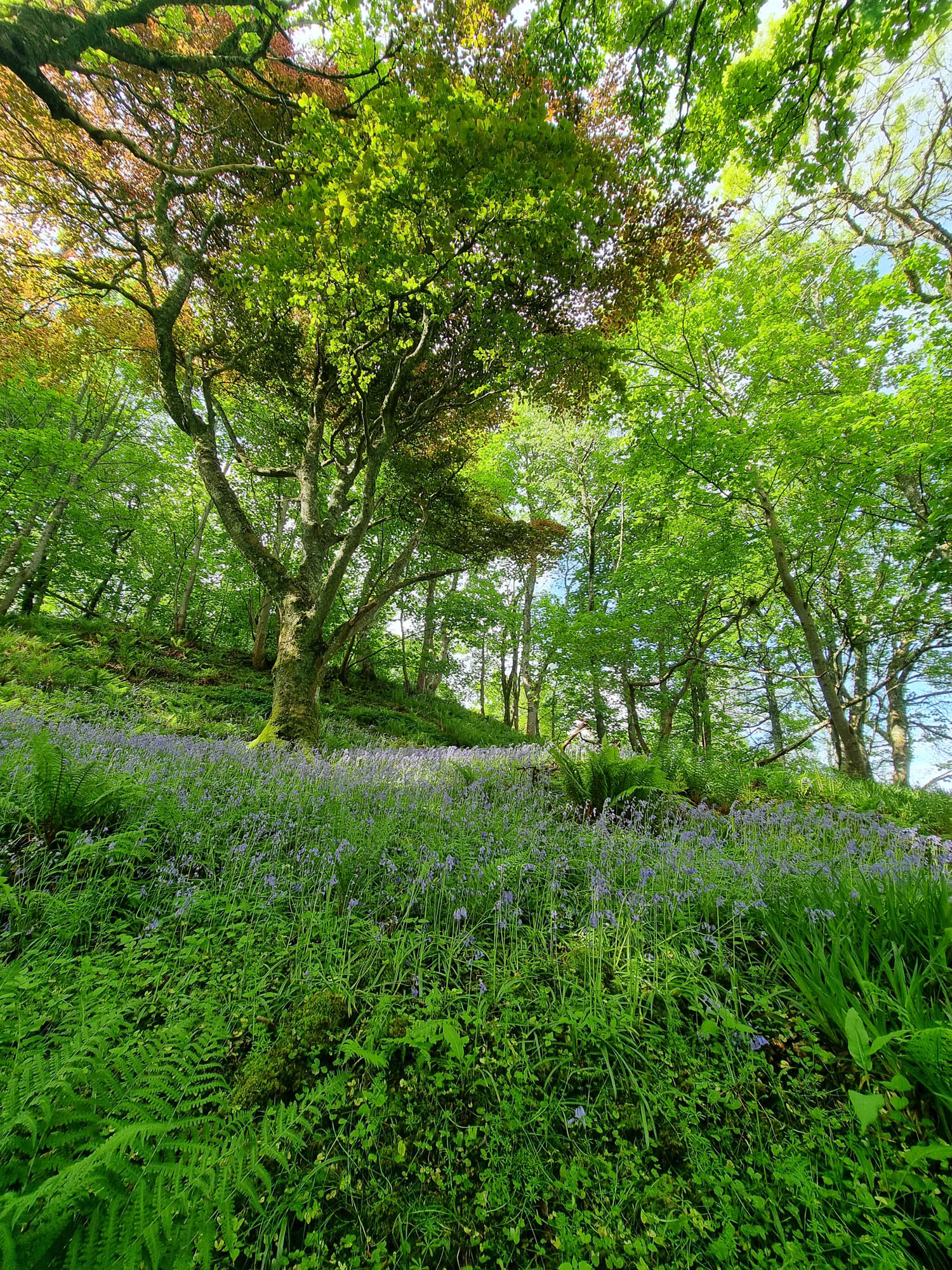
    Step into the historic grounds of Dunollie Castle this summer for a guided garden tour with renowned garden expert Maurice Wilkins. Wander the winding paths, ancient woodland and seasonal planting while Maurice shares his knowledge and gentle observations of a landscape that has evolved around Dunollie for centuries. Relaxed, full of colour, and a rare chance to see the grounds through the eyes of an expert.

    Saturdays from 27 June, 11.30am. £4 with an annual pass.

  • Midsummer at Dunollie: 26th June

    Midsummer at Dunollie: 26th June

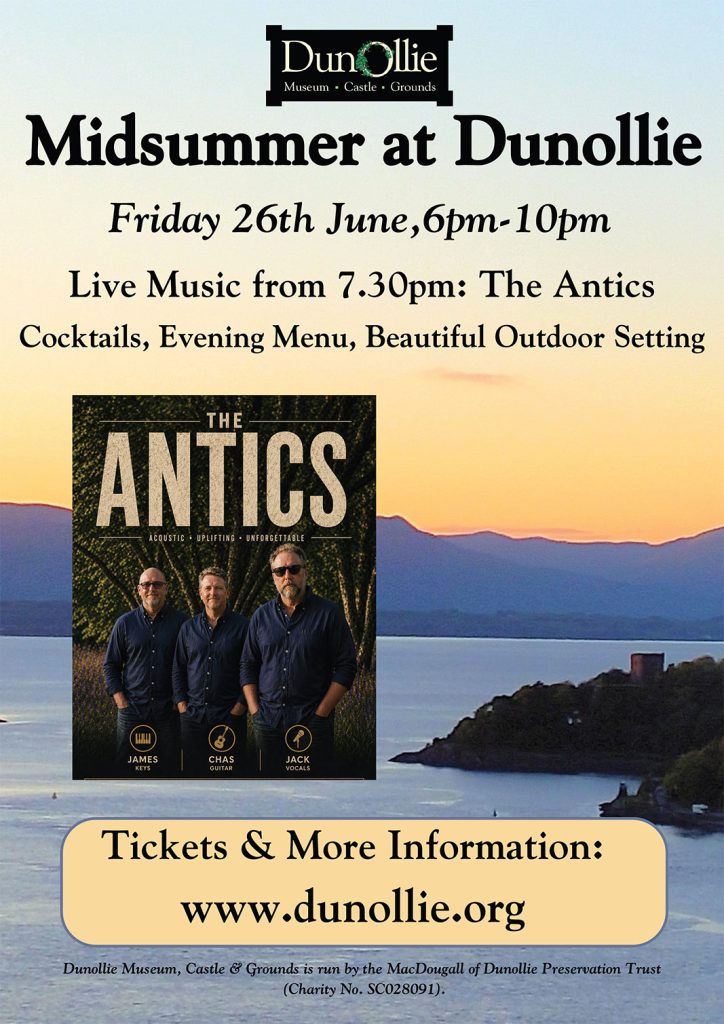
    Midsummer at Donollie: Friday 26th of June

    Join us for Midsummer at Dunollie on Friday the 26th of June!

    Celebrate Midsummer in the stunning historic setting of Dunollie Castle, where long summer evenings, breathtaking coastal views, and the magic of the Highland sunset create the perfect backdrop for an unforgettable night.

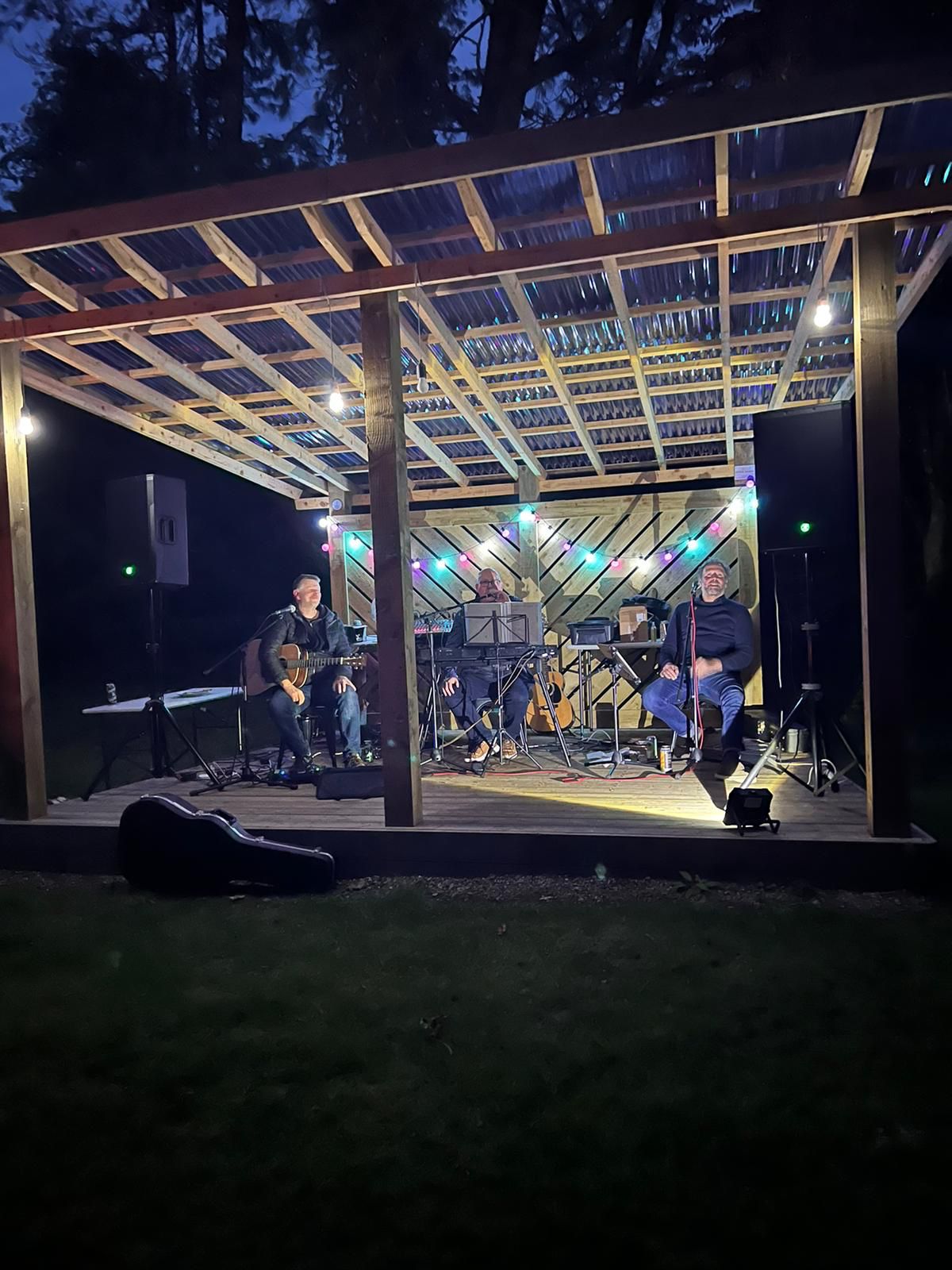
    Watch the sun go down from the castle grounds as you enjoy live music from local legends The Antics, bringing their much-loved three-part harmonies, crowd favourites, and legendary banter to the heart of the celebration.

    Enjoy delicious seasonal food, signature cocktails from the bar, and a relaxed midsummer atmosphere, so make sure to bring your dancing shoes for a night of music, laughter, and celebration beneath the summer sky.

  • Cobalt Blue

    Cobalt Blue

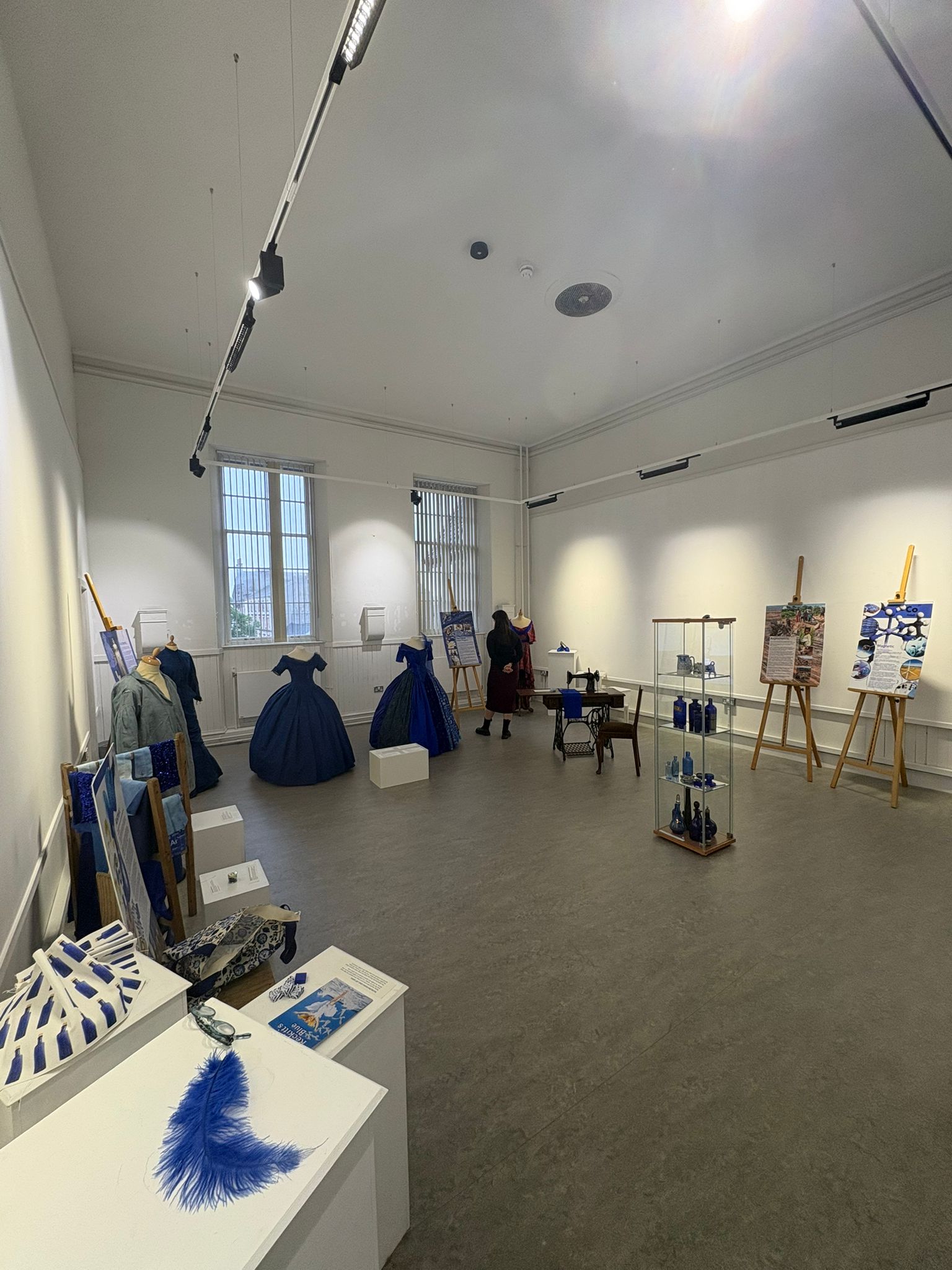
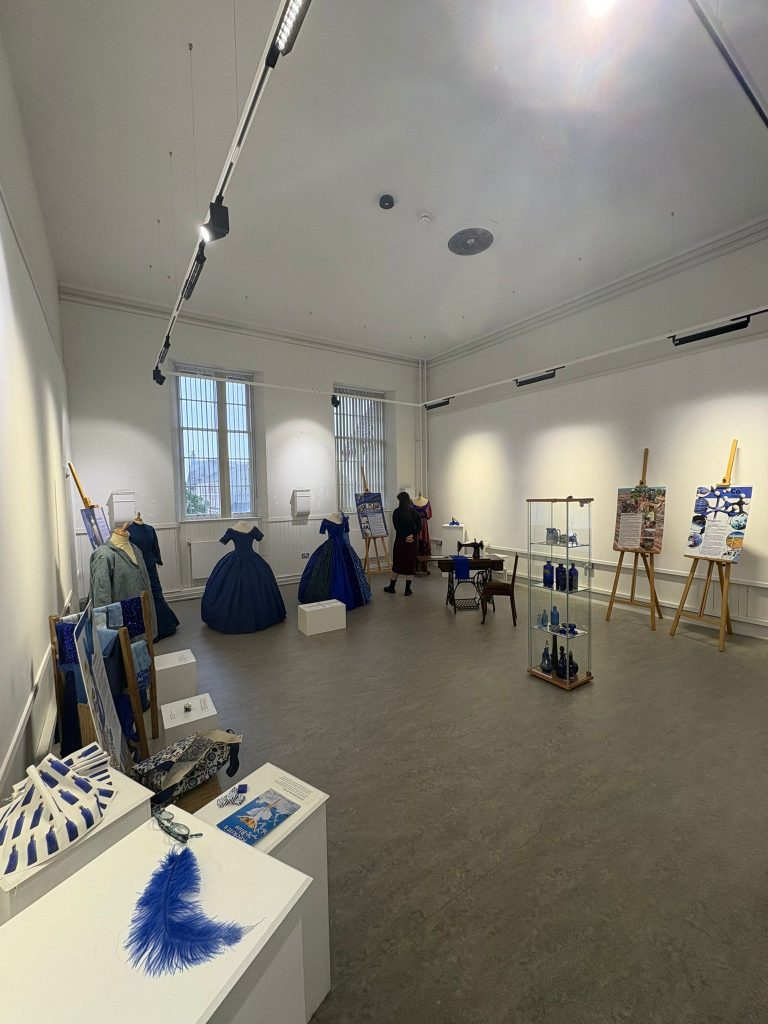
    Cobalt Blue is a collaborative pop-up exhibition, part of the Sophy and White: The Dunollie Collections Unboxed project funded by the National Lottery Heritage Fund project, featuring original work by Oban High School pupils together with objects and costume items from the collection of Dunollie.

    The last of five project themes, Cobalt Blue takes a multi-disciplinary look at cobalt; as a pigment, an aesthetic and an inspiration now and in the past. As a substance, cobalt’s usefulness in industry and medical physics sits unequally with the human and environmental impacts of its sourcing.

    Together with pupils from Oban High School, Learning and Engagement Officer Flora MacLeod, has been working to recreate one of the dresses from the Dunollie Collections – a vivid blue ballgown worn by Jean Hadfield, mother of the 31st Clan Chief (Madame Morag MacDougall). The replica dress has been entirely handsewn using donated fabric from the public.

  • Castle Conservation

    Castle Conservation

    Conservation work to Dunollie Castle is a key part of the work undertaken by the MacDougall of Dunollie Preservation Trust to care for Dunollie Castle & Grounds. combining archaeological research, structural repairs, and public engagement.

    Efforts have included masonry consolidation, vegetation management, improved drainage, and careful monitoring of fragile areas of the ruin.

    Alongside protecting the castle itself, work has also focused on improving access to the site and interpreting its history for visitors through exhibitions, guided experiences, and digital resources. This work has been funded by Historic Environment Scotland, the Clan MacDougall Society of North America, as well as many individual donations.

    Our work aims to balance preservation with accessibility and sustainability. This includes new visitor infrastructure such as handrails and seating, as well as audio-visual interpretation — including a 45-minute film experience — designed to allow visitors with limited mobility to engage with the castle’s landscape, history, and significance even if they cannot reach the castle itself.

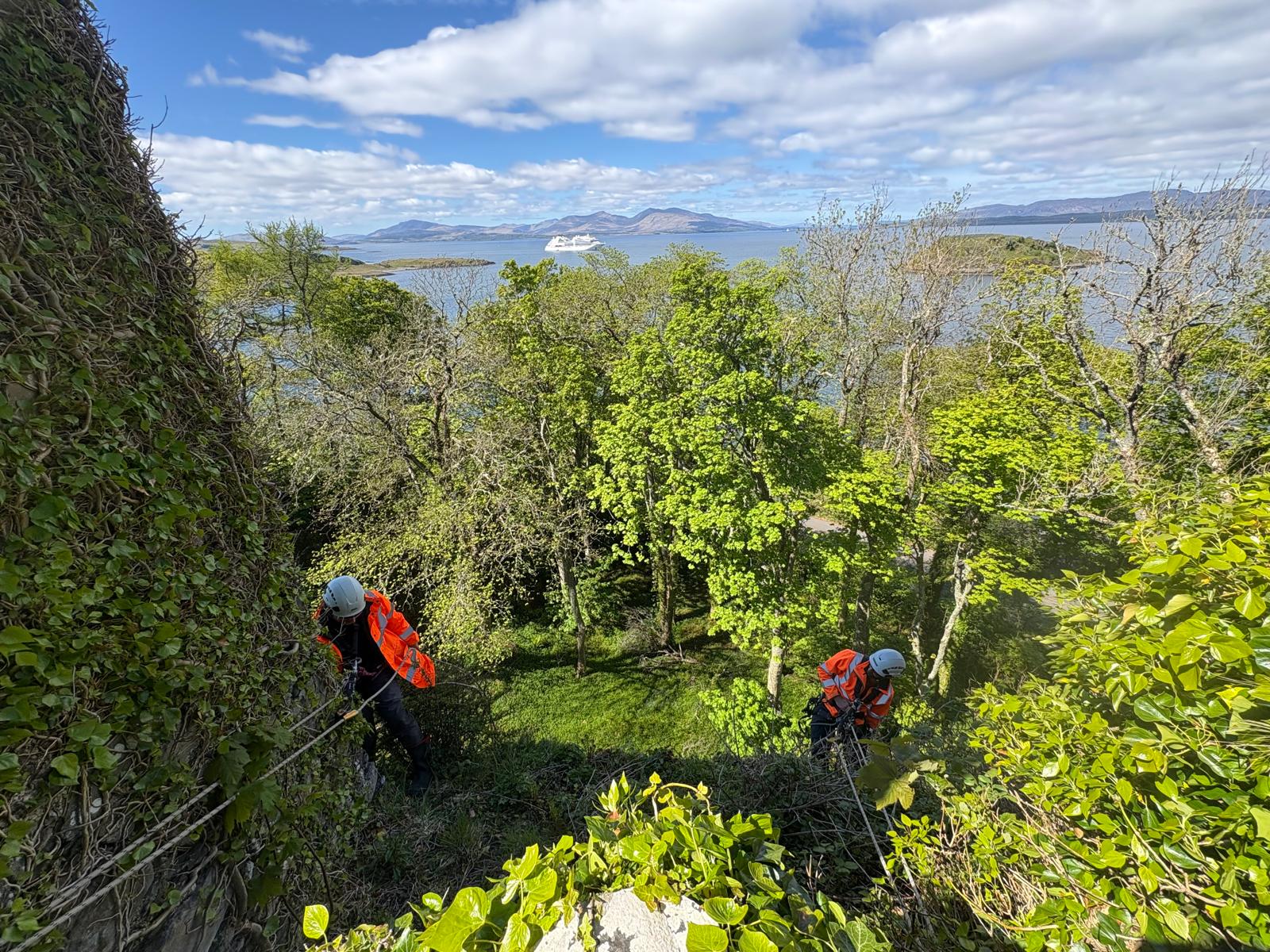
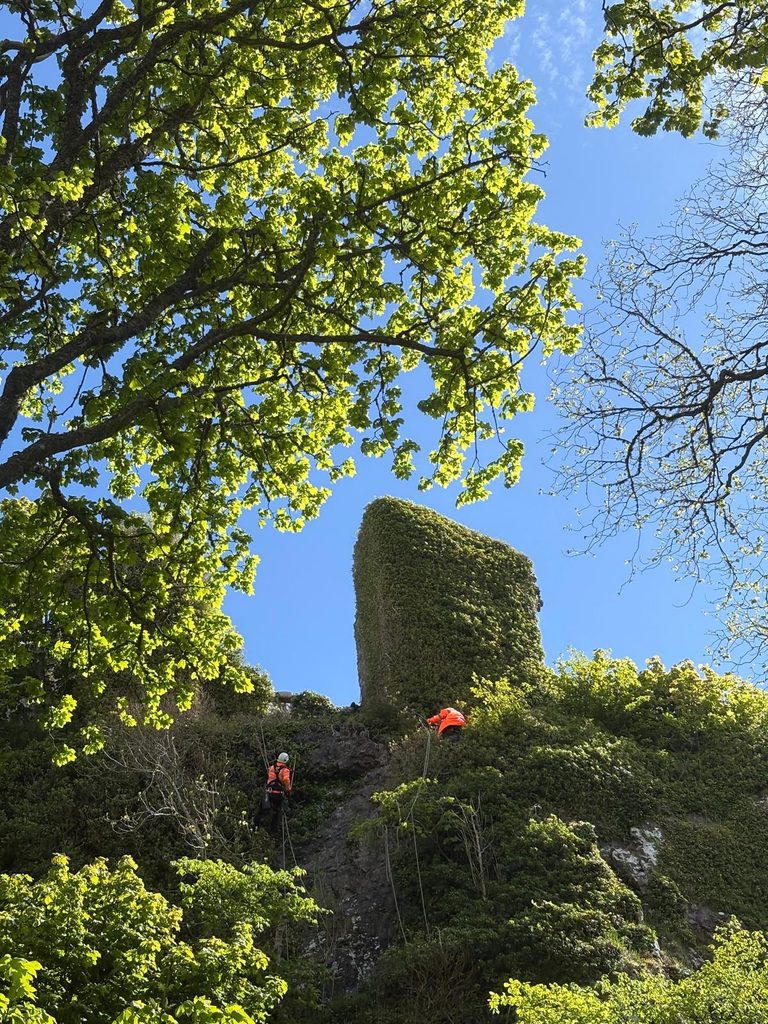
    The Trust is now working to improve the safety of the castle cliff and is launching a project, funded by the Pilgrim Trust, to stabilise areas at risk of rockfall.

    Additional work to remove vegetation and enhance the visitor experience will also be carried out in due course.

  • Protecting Bees at Dunollie

    This April for National Earth Day, we wanted to talk about something that we know has been part of life at Dunollie for hundreds of years, which was also included in the many interests of Miss Hope MacDougall, and in fact which should interest every one of us today more than ever – bees!

    The important work that bees do for our Earth remains as critical today as it has been for millions of years. The most well-known perk to keeping bees is the production of delicious honey, which has long been renowned for its medicinal properties as well as its taste. However, bees are also incredible pollinators which aid in the pollination of fruits, vegetables, nuts and seeds. Bees also pollinate trees and flowers which provide habitats for other forms of wildlife, making them an essential part of many ecosystems.

    The MacDougall’s have historically been interested in keeping bees here at Dunollie. In our archive, we have invoices which show bee-related purchases at Dunollie from 1737, including an invoice from 1843 for “4 beehives and 3 empty beeskeps” which helps us imagine how many bees were here. Further, Miss Hope MacDougall has in her expansive social history collection a ‘super’ from a beehive which she took from the family home when she left in 1966, so we can gather that there were still bees being kept at Dunollie at this time.

    A ‘super’ is a square frame which is placed in the top of a beehive which contains shelves for collecting honey – with the name coming from the word ‘superstructure’, which means a structure built on top of something else.

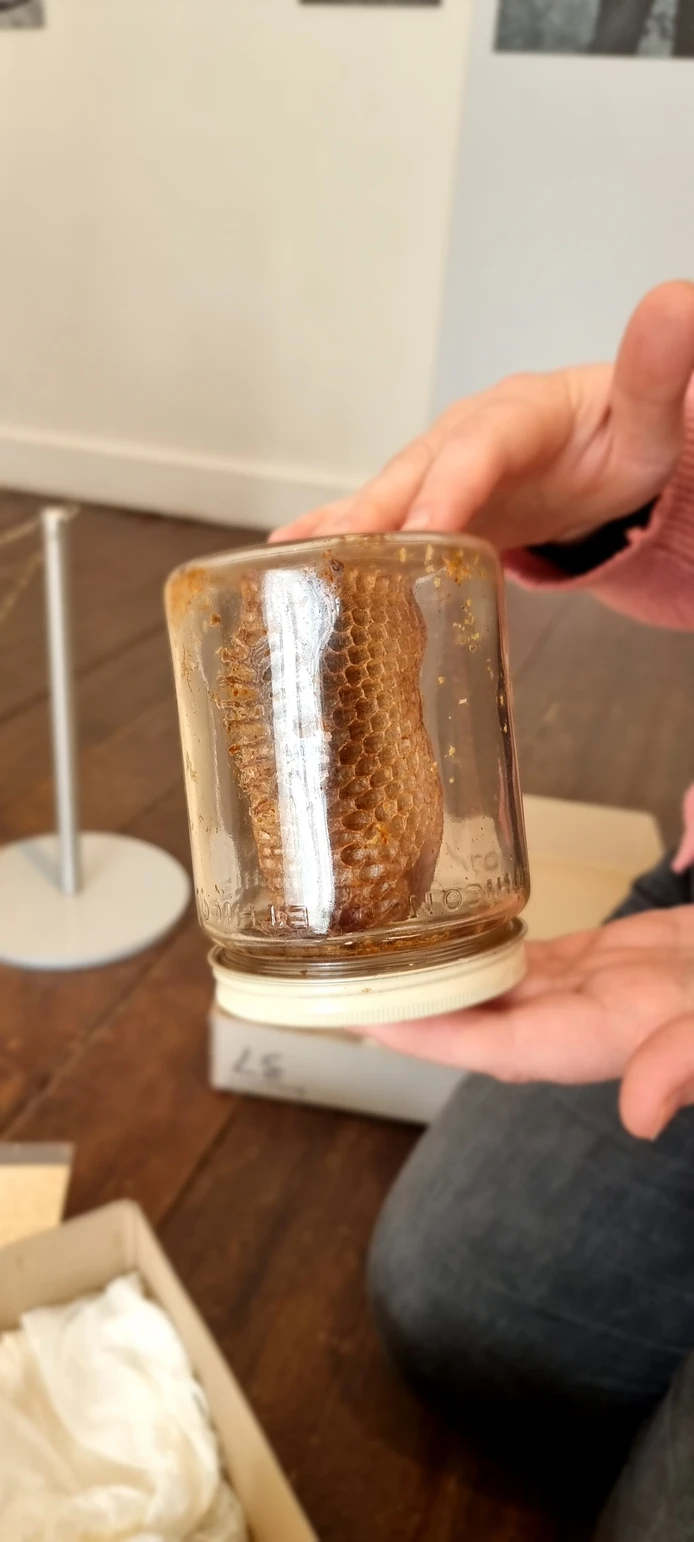
    Also in Hope’s collection is a jar containing honeycomb which would have been built directly into the jar whilst it was inside a hive.

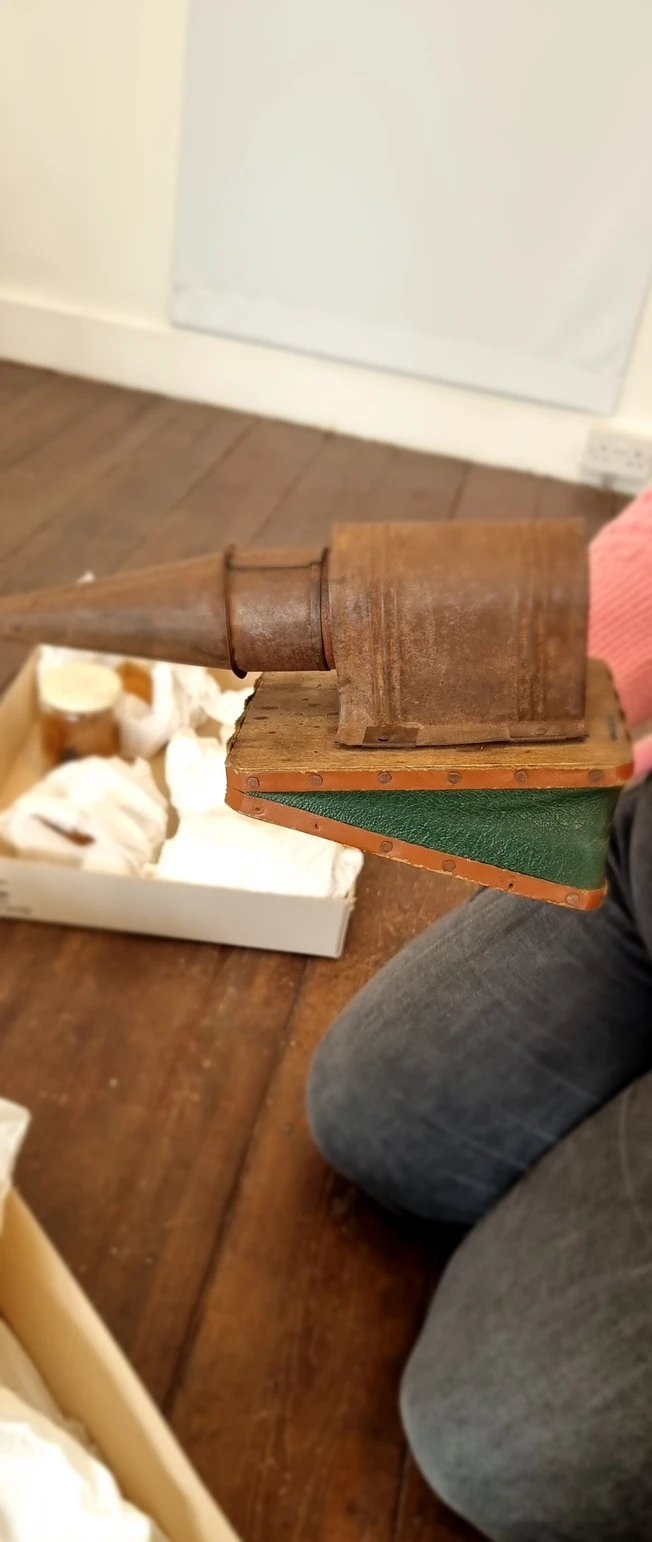
    A bee smoker given to Miss MacDougall in 1983 is described in her full inventory as “a nice old one” which really helps us get a feel for how excited Hope was to add interesting bits to her collection!

    Though we know that bees have been a vital part of keeping not only Dunollie but our whole planet beautiful, and our fruits, vegetables and flowers plentiful for countless years now, they are unfortunately more in danger than ever before. Habitat loss and climate change is threatening bees across the world, with 13 species of bees in the UK being lost since 1900. There are a few ways in which we can all help the bees:

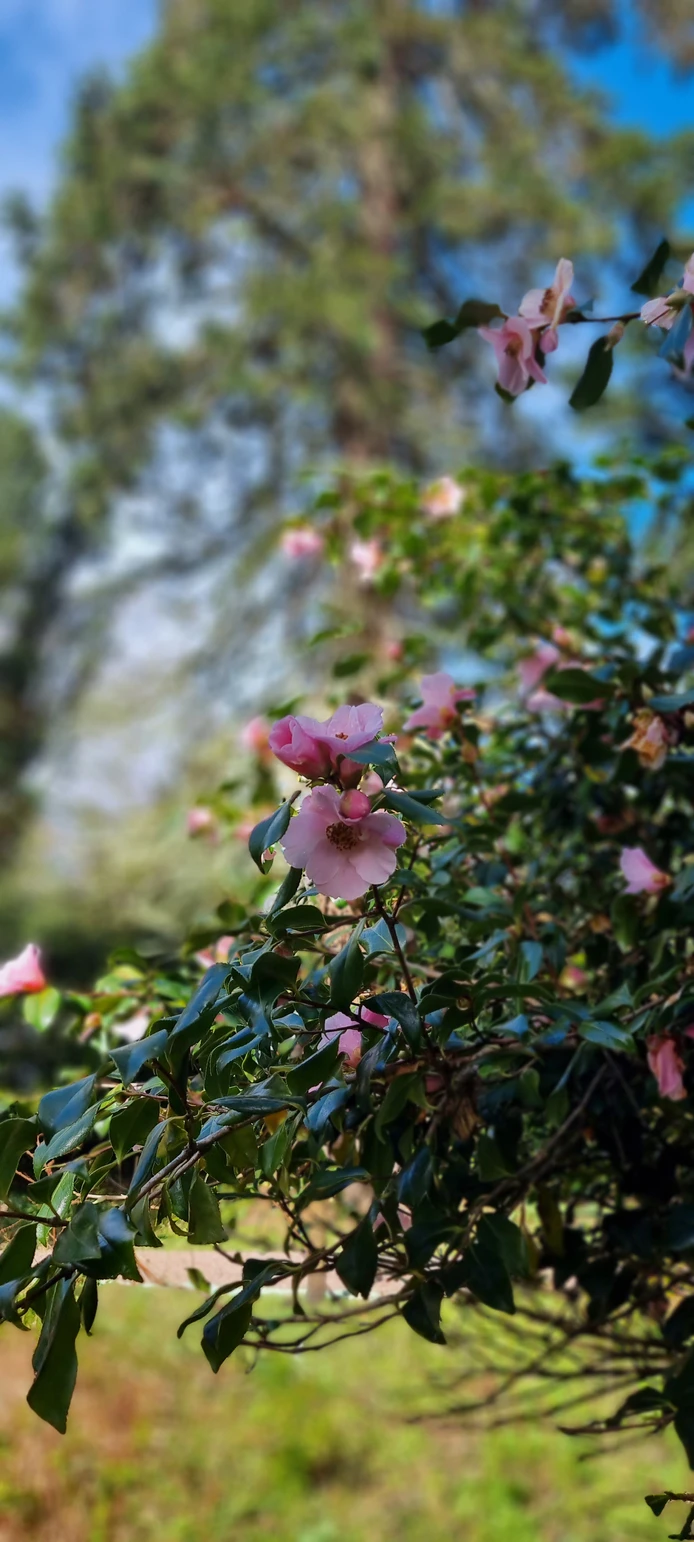
    · Growing bee friendly flowers such as foxglove, lavender, bluebells or rhododendrons – which you can see plenty of here in Dunollie’s grounds – will provide nectar for bees all year round.

    · If you see a bee looking unwell it is probably exhausted – mixing two tablespoons of white sugar with one tablespoon of water and leaving it near the bee can provide an essential pick me up.

    · Provide shelter for bees – perhaps create a bee hotel! Dunollie’s bug hotel is a great example of how to use natural materials to create a shelter for tiny creatures!

    Continuing from a long history of bees being kept here at Dunollie, there are still some bees being kept on site today! Stuart Sunderland of Argyll Honey has hives in Dunollie’s private walled garden, who produce the honey for our Drapers Shop. Pick some up next time you are visiting!

  • The Dunollie Handrail

    The Dunollie Handrail

    Improving Access to Dunollie: A new handrail along the castle path

    Our main issue in terms of physical access has always been the steepness of the hill on which Dunollie Castle is situated.

    Before opening as a visitors site 11 years ago, we had already moved the path leading up to the castle in an attempt to make the climb easier and to increase the number of visitors reaching the top. Whilst this was a huge improvement, the path remained very steep. Installing the handrail has been long, time-consuming project and one that staff members and trustees have been working on since before the Covid-19 pandemic.

    The mound on which Dunollie Castle is situated is a scheduled monument, and therefore we work hard to ensure that any archaeological remains are carefully preserved. Any excavation work is carried out by a professional archaeologist with the consent of Historic Environment Scotland.

    We had to therefore think a little bit outside of the box to find a way to secure a handrail without it affecting the ground on which it would stand – and so we did. When the wych elm in Dunollie’s Simba Garden was deemed unsafe for a visitor attraction and had to be felled, we had an idea.

    With the consent of Historic Environment Scotland and funding from the Clan MacDougall and MacDowell Society of North America, we were able to move the lengths of wych elm to line the castle path. The logs were then tethered to the ground using wire mesh secured underneath the path itself. The idea at this point was to install metal railings into the logs and then a length of rope – but unfortunately the COVID-19 pandemic hit and we had to wait a few years to finish the project.

    In 2022 we began work on finishing the handrail, and thanks to funding from the Oban Common Good Fund for the metal railings, a donation of rope from CalMac and volunteer help to move the remaining logs, we completed the handrail ready for the 2023 season.

    Thanks to this handrail, we hope to provide a safer climb to Dunollie Castle and it’s breath-taking views across Oban Bay and the Inner Hebrides.

    The handrail project was made possible thanks to generous donations from the Oban Common Fund, Clan MacDougall and MacDowell Society of North America, as well as several individual donations, volunteer time and the support of Historic Environment Scotland. We also owe thanks to our contractors Norman Steeman Engineering and Highland Tree Routes, to CalMac for providing rope, as well as former Business and Sustainability Manager Jane Isaacson who had the original idea and worked on the scheduled monument consent from Historic Environment Scotland.

  • The Dunollie Garden Links and Digital (GLAD) Project

    The Dunollie Garden Links and Digital (GLAD) Project

    We received £114,854 from the National Lottery Heritage Fund for a year long project focused on Gardens, Links and Digital (GLAD). The project, cost £120,597 in total, started in March 2022 and ended in March 2023.

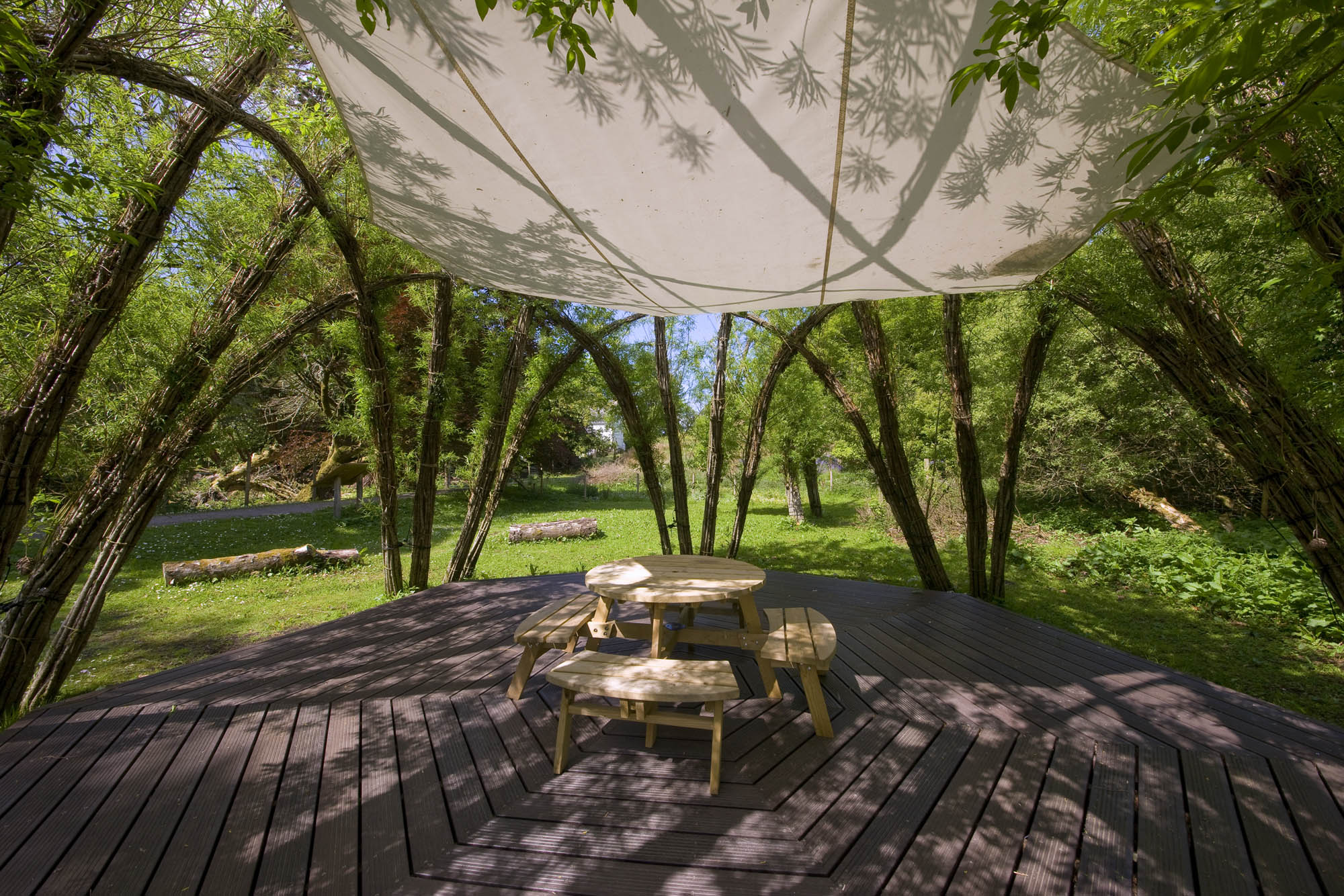
    ​Supported through the National Lottery Heritage Fund, Dunollie GLAD included a packed list of activities, including adding to and upgrading Dunollie’s Historic Woodland Grounds, providing engaging activities for the local community, as well as family days out and activities for a younger age group.

    ​Dunollie GLAD focused on three main strands:

    • Dunollie’s  Historic Garden activity space for social distance and outdoor opportunities.
    • Dunollie Links Post Covid – Community Engagement in ways which meet the needs of the new normal and
    • Dunollie Digital connections taking our resource and bringing it bang up to date in the post-covid world-wide digital market place.