This April for National Earth Day, we wanted to talk about something that we know has been part of life at Dunollie for hundreds of years, which was also included in the many interests of Miss Hope MacDougall, and in fact which should interest every one of us today more than ever – bees!
The important work that bees do for our Earth remains as critical today as it has been for millions of years. The most well-known perk to keeping bees is the production of delicious honey, which has long been renowned for its medicinal properties as well as its taste. However, bees are also incredible pollinators which aid in the pollination of fruits, vegetables, nuts and seeds. Bees also pollinate trees and flowers which provide habitats for other forms of wildlife, making them an essential part of many ecosystems.
The MacDougall’s have historically been interested in keeping bees here at Dunollie. In our archive, we have invoices which show bee-related purchases at Dunollie from 1737, including an invoice from 1843 for “4 beehives and 3 empty beeskeps” which helps us imagine how many bees were here. Further, Miss Hope MacDougall has in her expansive social history collection a ‘super’ from a beehive which she took from the family home when she left in 1966, so we can gather that there were still bees being kept at Dunollie at this time.
A ‘super’ is a square frame which is placed in the top of a beehive which contains shelves for collecting honey – with the name coming from the word ‘superstructure’, which means a structure built on top of something else.
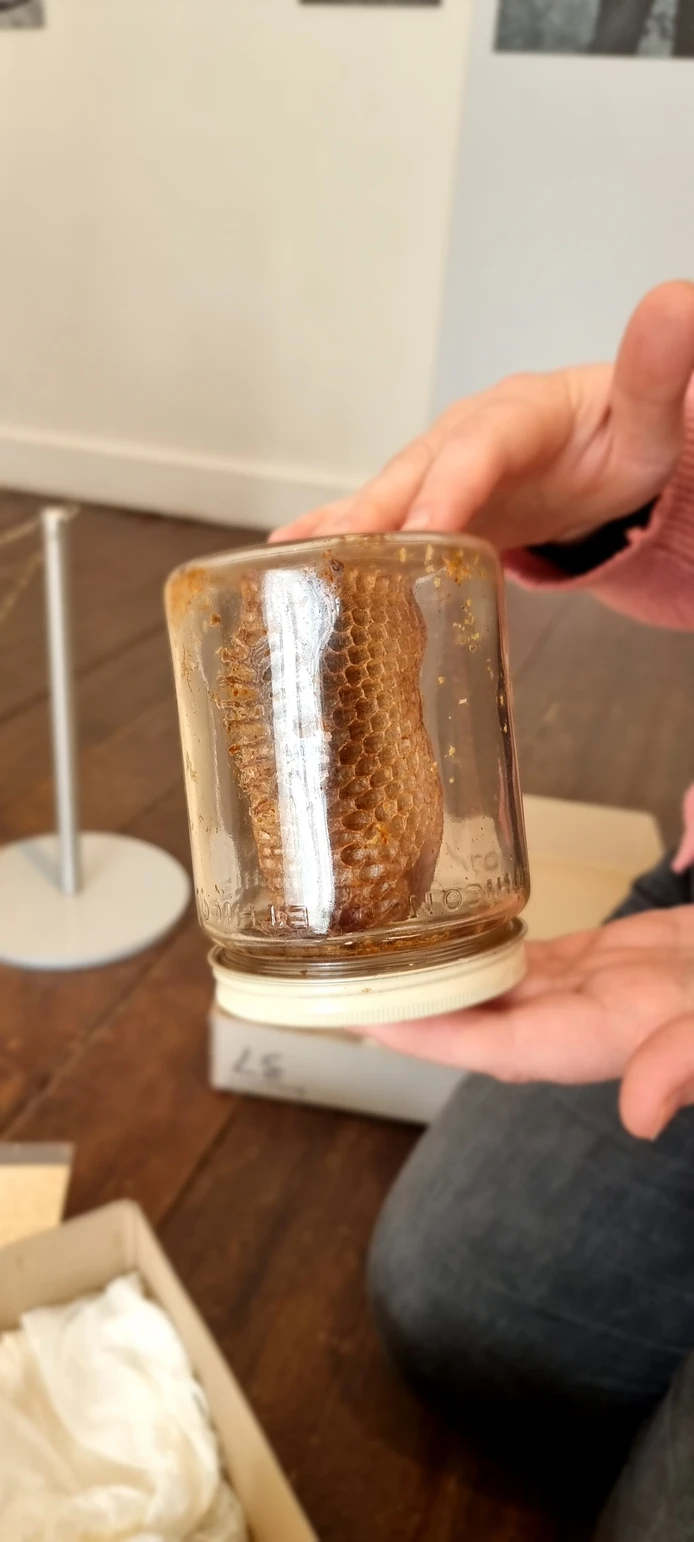
Also in Hope’s collection is a jar containing honeycomb which would have been built directly into the jar whilst it was inside a hive.
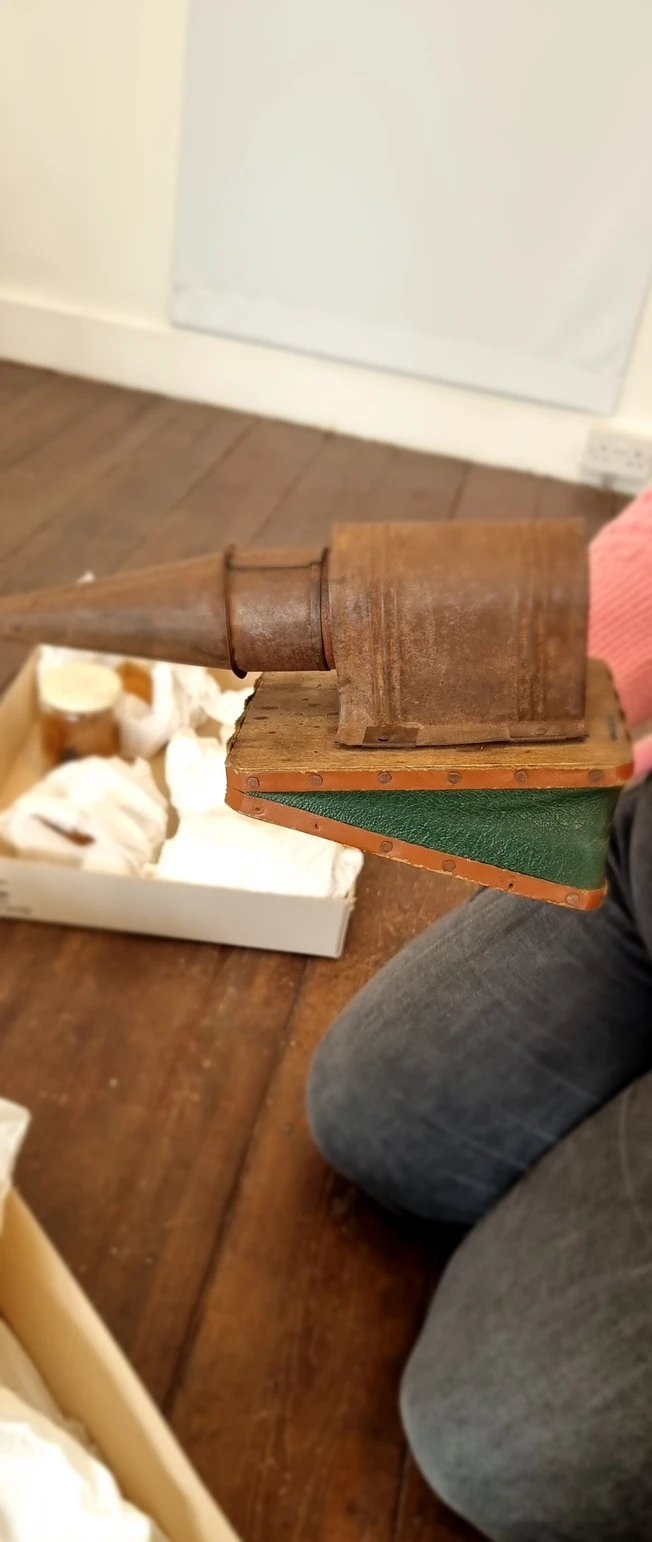
A bee smoker given to Miss MacDougall in 1983 is described in her full inventory as “a nice old one” which really helps us get a feel for how excited Hope was to add interesting bits to her collection!
Though we know that bees have been a vital part of keeping not only Dunollie but our whole planet beautiful, and our fruits, vegetables and flowers plentiful for countless years now, they are unfortunately more in danger than ever before. Habitat loss and climate change is threatening bees across the world, with 13 species of bees in the UK being lost since 1900. There are a few ways in which we can all help the bees:
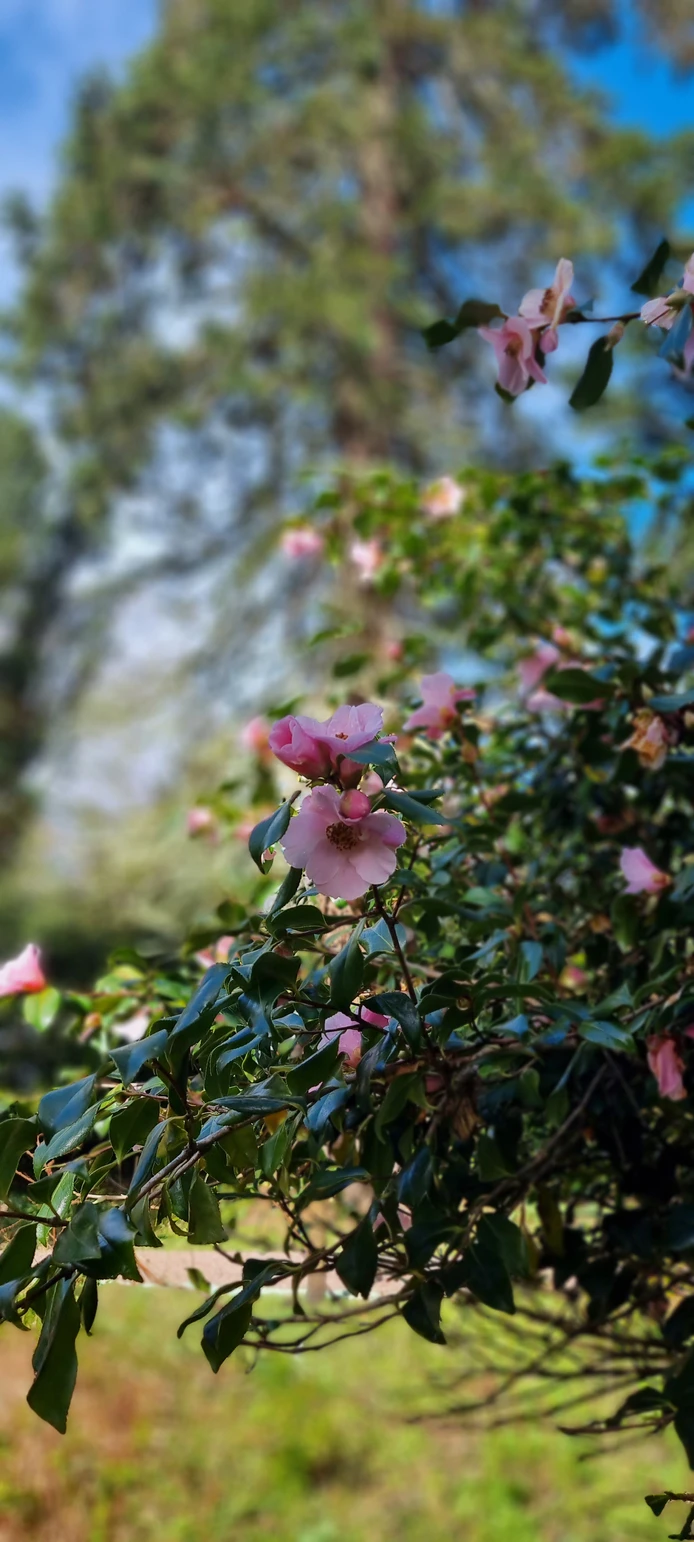
· Growing bee friendly flowers such as foxglove, lavender, bluebells or rhododendrons – which you can see plenty of here in Dunollie’s grounds – will provide nectar for bees all year round.
· If you see a bee looking unwell it is probably exhausted – mixing two tablespoons of white sugar with one tablespoon of water and leaving it near the bee can provide an essential pick me up.
· Provide shelter for bees – perhaps create a bee hotel! Dunollie’s bug hotel is a great example of how to use natural materials to create a shelter for tiny creatures!
Continuing from a long history of bees being kept here at Dunollie, there are still some bees being kept on site today! Stuart Sunderland of Argyll Honey has hives in Dunollie’s private walled garden, who produce the honey for our Drapers Shop. Pick some up next time you are visiting!
Improving Access to Dunollie: A new handrail along the castle path
Our main issue in terms of physical access has always been the steepness of the hill on which Dunollie Castle is situated.
Before opening as a visitors site 11 years ago, we had already moved the path leading up to the castle in an attempt to make the climb easier and to increase the number of visitors reaching the top. Whilst this was a huge improvement, the path remained very steep. Installing the handrail has been long, time-consuming project and one that staff members and trustees have been working on since before the Covid-19 pandemic.
The mound on which Dunollie Castle is situated is a scheduled monument, and therefore we work hard to ensure that any archaeological remains are carefully preserved. Any excavation work is carried out by a professional archaeologist with the consent of Historic Environment Scotland.
We had to therefore think a little bit outside of the box to find a way to secure a handrail without it affecting the ground on which it would stand – and so we did. When the wych elm in Dunollie’s Simba Garden was deemed unsafe for a visitor attraction and had to be felled, we had an idea.
With the consent of Historic Environment Scotland and funding from the Clan MacDougall and MacDowell Society of North America, we were able to move the lengths of wych elm to line the castle path. The logs were then tethered to the ground using wire mesh secured underneath the path itself. The idea at this point was to install metal railings into the logs and then a length of rope – but unfortunately the COVID-19 pandemic hit and we had to wait a few years to finish the project.
In 2022 we began work on finishing the handrail, and thanks to funding from the Oban Common Good Fund for the metal railings, a donation of rope from CalMac and volunteer help to move the remaining logs, we completed the handrail ready for the 2023 season.
Thanks to this handrail, we hope to provide a safer climb to Dunollie Castle and it’s breath-taking views across Oban Bay and the Inner Hebrides.
The handrail project was made possible thanks to generous donations from the Oban Common Fund, Clan MacDougall and MacDowell Society of North America, as well as several individual donations, volunteer time and the support of Historic Environment Scotland. We also owe thanks to our contractors Norman Steeman Engineering and Highland Tree Routes, to CalMac for providing rope, as well as former Business and Sustainability Manager Jane Isaacson who had the original idea and worked on the scheduled monument consent from Historic Environment Scotland.
On March 8th, 2023, I wrote my first blog post for Dunollie, having started working here at the beginning of January. It was a post for International Women’s Day, and it centred on Eilidh MacDougall, cousin of 30th Chief Coline MacDougall, who made history as the first police commissioner for women with the Metropolitan Police. It became Dunollie’s most viewed blog post.
Throughout my three years here at Dunollie, I have written a handful of others, but since the time has come for me to leave this incredible site of so many stories, it felt fitting to leave on one final blog post: for International Women’s Day 2026, on some of the many women who have inspired me, taught me, supported me, and who’s stories have moved me during my time here.
MacDougall Women Worth Remembering
My blog on Eilidh MacDougall was titled ‘a woman worth remembering’ and she certainly was. Cousin to 30th Clan Chief, Coline MacDougall, Eilidh’s lifelong mission led her to become a champion of women and girls who had survived sexual violence. She became one of the country’s first female social workers, and eventually lobbied to have a law instated that meant survivors of abuse did not have to wait in the same room as their abusers in court – a law which still stands today. Her work eventually seen her awarded with an MBE. As far as blog inspiration goes, she was an easy pick, and if you would like to read Eilidh’s story, you can find that post here: https://www.dunollie.org/single-post/eilidh-macdougall-a-woman-worth-remembering
Eilidh MacDougall (left) in Dunollie’s stable block in 1915.
Eilidh was not the only MacDougall woman worth remembering for the work she done for others. Colina MacDougall, wife of the Clan’s 29th Chief Alexander James, worked tirelessly throughout her life to support and care for others, in some of our countries most trying times. Throughout WWI, Colina was the chairperson of the Oban Voluntary Committee. She published requests for the provision of mufflers and mittens for troops, as well as advertising the national egg drive, with eggs being delivered to Dunollie house before being shipped to Scottish hospital and to soldiers in France. At the same time, Colina used Dunollie’s notoriety to raise funds for these overseas soldiers. In 1917, Dunollie hosted a garden party seeking to improve comforts for troops on the front lines. The day was a resounding success, raising £228.
Two generations before came another strong figure in the MacDougall story: Sophy MacDougall, nee Timins, wife of Admiral Jobn MacDougall, 25th Chief of the Clan. Sophy was a young daughter of one of John’s Naval colleagues, 17 years his junior, and from Cheltenham. They married and she moved to the blustery west coast of Scotland to take up her duties as the wife of a Highland Chief. Letters suggest that John’s mother, Louisa Maxwell MacDougall, once told Sophy that she was nothing more than an ornament, sitting in the drawing room and essentially not being much use. Whether this lit a fire in Sophy is something we will never know, but Sophy proved herself to be anything but ornamental. Whilst her husband continued his Naval career for the majority of his life, Sophy was instrumental in running their home, raising their children, and even running their vast estate. When the famous potato blight hit Ireland and the west coast of Scotland in the late 19th century, Sophy made the controversial decision to harvest their potatoes early – saving two thirds of the crops which would have been lost. She was indeed a great beauty, and we know from the incredible garments in our textile collection that she loved bold, colourful fashion, but she was also a practical woman who was the steadfast backbone of Dunollie throughout her husband’s reign as Chief.
Whilst this list could go on forever, the final mention here must go to the wife of the Clan’s 22nd Chief, Iain Ciar – Mary MacDougall, originally Mary MacDonald of Sleat, on the Isle of Skye. When her husband told her in 1715 that he was going to fight at the Battle of Sheriffmuir, supporting the Jacobite belief that the House of Stuart should be returned to the British throne, Mary was not just supportive – she expected him to do so. Mary had been raised in a staunchly Jacobite household, and though she had three young children and was pregnant with their fourth, she did not waver in her belief that her husband should fight for their rightful King. There was a belief within the MacDougall family that a castle as strong as Dunollie could be held with the strength of 12 good men. So, legend has it, Iain Ciar left Mary here with 12 good men and she defended her home for a number of years whilst her husband was firstly fighting, and later exiled for his participation. Mary does flee, at her husbands insistence, a few years after he leaves – taking their children and fleeing to a small farm on the island of Kerrera. The survival in our collections of a set of 1690 bed hangings displaying bold symbols of Jacobite support suggests that Mary took them to Kerrera and kept them safe for the 12 years her husband was exiled – never letting go of her passionate political beliefs.
Section of bed hangings, featuring crewel work embroidered Prince of Wales feathers, a symbol of Jacobite support. Dated to 1690.
May we all be Mary – a strong partner, an activist, a defender of her home.
The modern-day heroes of Dunollie
The last decades have seen ‘women of Dunollie’ take on an additional meaning. Following the formation of the MacDougall of Dunollie Preservation Trust in 2012 by Madam Morag MacDougall, 31st Chief, Dunollie has become a heritage site which strives to protect and preserve its two collections, engage with the community, and bring the incredible history of this site to life for visitors. The work that has gone into turning Dunollie into a thriving heritage site has been monumental, and I couldn’t possibly list everyone who has played a hand in it, but I want to take this International Women’s Day to give a shout out to a few women who have had an impact on me, my understanding of heritage, and my time working at this wonderful place.
Catherine Gillies, who I’ve come to refer to as one of Dunollie’s founding fathers. Her devotion to Dunollie, especially to our social history collection, is unparalleled and she brings history to life for everyone with such ease.
Florence Medard, who always remembers the ‘why’ – heritage, history, the stories here that we love, Florence always kept her passion for those things alive and inspired everyone around her with her dedicated work ethic and commitment to her role.
Emma Sutcliffe, Dunollie’s general manager, who makes the rest of us feel smart, capable and supported to achieve more than we think we can.
Anna Bain, my partner for the first 18 months of Sophy & White, who’s contributions to this project I couldn’t list if I wrote five blog posts. Everything we have achieved throughout this project has been off the back of Anna’s organisation and implementation of our initial plans.
Ann MacLean, Caroline Boswell, Janice Kincaid, Judith MacGregor, Flora Sweitlicki, Nina Craig, Alison McNab… the list goes on (and on and on). The women that have contributed to this incredible heritage site in the three years I have been here are examples of the kind of person and colleague I want to be: dedicated, passionate, loving, intelligent, funny, supportive and kind.
And finally, Siubhan Griffin, the beating heart of our visitor site, the mind (and legs) behind every event, every improvement to our site, the mum of our Front of House team, chief toilet cleaner, soup maker and bin lady, is incomparable. Dunollie is a better place for the dedication, energy, and motivation that she brings to the site, and I am better for it too.
It’s tricky to get a photo of all the staff together – this was the best I could do!
The Pioneer
There would be no possible way to write this blog without ending it with the woman who inspires everything that I have worked on here at Dunollie.
Miss Hope MacDougall, daughter of the 29th Chief Alexander James, was born in 1913 into a life of relative privilege, as the youngest of three sisters. Daughter, sister, and then aunt to three successive Clan Chiefs. She could have, as ladies of her class sometimes did, spent her days embroidering, reading, or otherwise gently occupying her time. Instead, from the time she was a young child, Hope became a custodian of Scotland’s stories. She began with keeping diaries during her trips to the islands, noting the differences from the mainland in tradition, landscape and people’s lives. Before long, her object collection started to grow, and by the time Hope moved from to Dunollie to nearby Ganavan House in 1966, her home was transformed into a museum.
Hope MacDougall dedicated her entire life to her passion: collecting, researching, and preserving Scottish social history at a time where some of our country’s traditions were at risk of being lost forever. As well as amassing a collection of well over 5,000 objects, Hope backed this up by both teaching herself some of the represented skills – like weaving tartan on her 19th century loom – and with a huge amount of archival research on the topics, which we are lucky enough to also care for. One of the greatest treasures we have, in my opinion, is her handwritten inventory of her collection, including illustrations of some items in the margins.
A rare photo of Miss Hope MacDougall, who preferred to be behind the camera.
Hope never gave up on her mission. She spent the last decade of her life looking for a home for her collections, campaigning their importance in keeping Scotland’s traditions and industries alive through memory, engagement and education. I like to think that she would be happy knowing that they are here, at her ancestral home, bringing Scotland’s stories to local and international visitors alike. They have inspired school workshops, exhibitions, blogs, events, and – most recently – a growing community group which meets every week at Dunollie to share and learn the traditional skills preserved in Hope’s collections.
Hope’s steadfast dedication to preserving Scotland’s history makes her a pivotal face in the story of Dunollie – from Bronze Age occupation, to Dalriadan stronghold, to the seat of a Clan which has sat here for almost 1,000 unbroken years, and now to heritage site – protector of stories, of traditions, and of the intangible cultural heritage of one of Scotland’s most fascinating regions. Dunollie Museum, Castle and Grounds would not exist as it does today without the lifelong work of Miss Hope MacDougall, and caring for her life’s work has been a huge honour. When her dear friend and mentor, Isobel Grant – founder of the Highland Folk Museum, collector and author – passed away, Hope cut out newspaper headlines which aptly read: “all honour to the pioneer.” I hope she knew that the title applied to her, too.
Newspaper cuttings kept in a scrapbook by Miss Hope MacDougall announcing the death of her friend and mentor, I.F Grant.
To the women who came before us: the Jacobite warriors, estate managers, social justice campaigners and war heroines.
To the women who keep Dunollie going: friends, colleagues, inspiring and lifting each other up.
To Miss Hope MacDougall. Daughter, sister, aunt. Eccentric. Historian. Protector of Scotland’s stories.
At the end of 2025, the MacDougall of Dunollie Preservation Trust were over the moon to be awarded an Art Fund Reimagined Grant to support our first collaboration with Argyll Archives, of Inveraray Castle. As a registered charity (Charity No. SC028091), running a small independent museum like Dunollie comes with some challenges – one of which is space to display all of our incredible collections! We have been working to partner more with similar organisations in Argyll, and the opportunity to collaborate with Argyll Archives and Inveraray Castle was one we jumped at the chance for. And so, an idea was formed to create two exhibitions over two years, displayed at Inveraray Castle, with objects from Dunollie, and information from both of our extensive historic archives.
The first exhibition, opening in March 2026, will be centred on one of Dunollie’s most fascinating objects: the coveted Brooch of Lorn. In 1306, at the infamous Battle of Dalrigh, MacDougall forces set on avenging their murdered kin, John Comyn, outnumber the retreating troops of King Robert the Bruce, and are said to have not only defeated him but narrowly missed capturing Bruce himself. In the skirmish, whilst grabbing onto his cloak, Bruce lost a Brooch which was scooped up by MacDougall men, and remained with the family for centuries. In the 17th century, however, disaster struck when the Brooch was stolen from the MacDougalls, and remained missing for over 150 years. In the mid-19th century, it was gifted back to the MacDougalls by General Campbell of Lochnell, and has remained in the family’s possession ever since. The details of how the Brooch was lost, found, and returned to the MacDougalls will all be explored in this 2026 exhibition, along with fascinating details about how the Brooch compares to others from the region and time period.
In 2027, we will work together on a very different exhibition. One of the motivating factors behind this collaboration was that many of Dunollie’s most iconic pieces of historic dress cannot be displayed in our museum due to lack of space and resources to create a suitable environment. Inveraray Castle very generously offered to provide the space, because Dunollie has two pieces which are deeply linked to Inveraray Castle’s history: a pair of Regency era dresses, worn for their entrance to society at the 1820 County Meeting in Inveraray. Hosted at the Castle over a number of days, this annual event was the pinnacle of Highland Society, and two sisters of the Clan MacDougall’s 25th Chief attended the gathering in what would have been a vision of Regency fashion. A pair of dresses – not twins, but unmistakably sisters – were fashioned for the girls in order that they present a good image for their first foray into the upper circles of Scottish nobility. So much so, they have earned a nickname amongst staff at Dunollie: The Husband Catchers.
Unfortunately, these dresses have never been displayed together because one of them was in such poor condition that it needed to be safely stored until such a time that conservation work could be performed. Thanks to an incredibly generous donation by the Clan MacDougall Society of North America, in late 2025, we were able to send this dress to undertake the work it needs to be safely displayed. In 2027, both dresses will be displayed – for the first time ever – in the very Castle where they made their grand entrance. Inveraray Castle will provide the most stunning backdrop, with supporting documentation from Argyll Archives and our own Dunollie Archive bringing the story of these dresses, the sisters who wore them, and the highs of the Regency era in Scotland’s Highlands to life for visitors.
Without the support of our Art Fund Reimagined Grant, this collaboration would not be possible. The money they have awarded us will allow for staff time, resources, and everything that goes into creating two exhibitions which will both be supported with learning and engagement opportunities for our communities. We are incredibly grateful to both Art Fund and the Clan MacDougall Society of North America for seeing the potential in this collaboration, and allowing us to repair and display some of our most treasured historic collections at one of Argyll’s most important locations. We are looking forward to partnering with, and learning from, Argyll Archives and we sincerely hope lots of you will visit Inveraray and learn a bit more about these stories!
It’s 2026, and we are into our final six months of collections based project, Sophy & White: the Dunollie Collections Unboxed. This project, funded by the National Lottery Heritage Fund, kicked off in January 2024 and will end this summer, in July 2026.
The Sophy & White project focuses on the two collections we care for here at Dunollie: the Clan MacDougall collection, comprised mainly of historic textiles, clan artefacts and Jaocbean weaponry, and the vast social history collection of Miss Hope MacDougall, daughter of the Clan’s 29th Chief. The aims of this project included a full audit and review of both collections, updating and creating vital documentation to keep them safe and accessible, as well as four sub-projects encouraging engagement with various elements of our collections, from historic plaid, to spinning wheels, agricultural tools to iconic gowns.
As we move into February, we are coming to the end of our third sub-project: Seed. The aims of seed were for us to better understand the breadth of our agricultural collection, and how mechanisation changed the Scottish landscape and what we eat today. Our Learning and Engagement Officer on Sophy & White, Flora Swietlicki, has created a range of learning resources aimed at primary school children, with a view to bringing an understanding of local agriculture, how it has changed, and how our modern diet differs from the diet of the past. These resources include short, informative content made with local videographer Beth Chalmers, and a handling box of original and replica tools and utensils. We are also installing a new temporary exhibition in our 1745 House Museum, focusing on how mechanisation changed the Scottish landscape and approaches to agriculture, through the lens of Miss Hope MacDougall’s collection of agricultural tools and photography.
Another huge achievement behind the scenes in this last quarter was concluding the process of documenting our extensive textile collection. Many of our textiles have been stored without documentation for a number of years, due to a lack of staff time and capacity, a problem facing more and more small, independent museum like ours. Updating and creating documentation for all of our collections was one of the primary focuses of the Sophy & White project, as it makes our collections more safe, more accessible, and more engaging than ever. Throughout the first two years of this 30 month project, a team of volunteers, recruited and supported by Collections Development Officer Shannen Provan-Sloan, worked tirelessly to update records for our Social History collection before turning their attention to creating brand new records for all of our incredible historic textiles. This is a delicate process which included unboxing, gently examining (where appropriate), numbering and writing descriptions for each item. Upon completion, we have catalogued almost 600 items – a huge achievement, and something which will stand our collections in good stead for years to come. We have also completed the transfer of all of our original and new records to a brand new object database, meaning that before the end of 2026, our collections will hopefully be available to browse online, in their entirety, from anywhere in the world.
We are also now launching the fourth and final sub-project of Sophy & White: Cobalt Blue. Cobalt Blue aims to engage a younger audience with our collections, inspiring conversations about difficult topics like cobalt mining and climate change, as well as to engage with colour and technology. Several students from Oban High School will be participating in workshops on natural dyeing, and will then support Learning & Engagement Officer Flora Swietlicki to recreate one of our most incredible historic gowns. The pupils will document their experiences, guided by Beth Chalmers, and create digital content of their time working on this project, bringing what they have learned to a wide audience online. Follow along with our updates in the coming months to see how this project takes shape.
As always, thank you to the National Lottery Heritage Fund for funding this incredible project. Thank you to all of our volunteers for their continued, appreciated support. And to everyone who follows along and backs this project in other ways, a huge thank you. We hope you are as excited as we are to see what the final six months has in store.
For the last six weeks, our volunteer group Stitch and Spin has been working with joyful determination on our entry for the St Conan’s Kirk Christmas Tree Festival, taking place from Thursday 27th to Sunday 30th November at St Conan’s Kirk, Loch Awe. This much-loved local festival invites groups, organisations, clubs and businesses to create a tree that reflects who they are, with visitors then invited to vote for the tree that most speaks to them.
When we began thinking up our design, we realised that, as a fibre arts group, it would be easy simply to cover a tree with our handmade ornaments. But Christmas, for us, is richer than that. It carries with it the spirit of community – the same sense of belonging we’ve found together during our time at Dunollie Museum, Castle and Grounds. We were thrilled to be asked to represent Dunollie at the festival this year, so we wanted to dig deep and think up something special.
This film was made by local videographer Beth Chalmers.
For just over a year, Stitch and Spin has met once a week, and in that time, we’ve become more than a craft group. We’ve formed friendships, shared stories, celebrated birthdays, leaned on one another through harder days, enjoyed countless biscuits, and created beautiful things side by side. That spirit of togetherness became the heart of our Christmas tree.
Stitch and Spin is a place to share and learn traditional fibre skills.
What emerged from our conversations is something we think of as a “giving tree.” Every decoration is handmade, celebrating the varied skills within our group – knitting, crochet, felting, embroidery and cross stitch. But we wanted our crafting to reach beyond the festival, so we also made hats, scarves, shawls and gloves to be donated once the festival ends. Home Start Lorn has kindly agreed to distribute the children’s items to families who may need a little extra warmth this winter. The remaining items, along with hand-wrapped balls of yarn and needles for new projects, will be donated to Re-Store to be gifted to anyone in need.
A closer look at our tree reveals the love poured into every stitch. Crocheted ornaments rest beside felt Christmas fairies. Knitted scarves wind through the branches, where Howie the Castle Cat peeks out in a festive game of hide-and-seek. Tiny gloves ready to warm little hands hang alongside a beautiful tartan present, and hand-crafted baubles spell the name of the place that brings us all together: Dunollie.
The cold weather hasn’t stopped us preparing our Christmas tree!
We hope our tree brings joy – whether through a decoration that catches someone’s eye or a craft technique that sparks a memory. Most of all, we hope the many hours of shared work will carry warmth to those who need it most this festive season. We think you would be hard pressed to find another tree at St Conan’s Kirk this year who’s branches hold the evidence of so many days work, or shared skills, as ours.
If you find yourself at St Conan’s Kirk this weekend, we would be delighted if you paused for a moment to admire our tree. And if the spirit of community calls to you, please know that you would be warmly welcomed at Stitch and Spin any time. Just email shannen@dunollie.org .
Stitch & Spin was started as part of Dunollie’s Sophy & White project, funded by the National Lottery Heritage Fund.
Since our last update, there’s been a big change in the team – we said a fond farewell to our wonderful Learning and Engagement Officer, Anna, who brought so much energy and creativity to the Sophy & White project. We wish her all the very best in her adventures!
But we’re thrilled to welcome someone very special into the role – the brilliant Flora MacLeod Swietlicki! Flora is no stranger to Dunollie, having been part of the team in various capacities over the years. She brings with her a deep knowledge of heritage, a passion for storytelling, and a particularly keen interest in historic fashion (trust us, she lights up when talking about 18th-century waistcoats).
Flora officially joined us in July, and we couldn’t be more thrilled to have her on board.
Right now, we’re excited to dive into the third phase of the Sophy & White project: Seed. This sub-project explores our fascinating collection of agricultural tools, using them as a springboard to uncover stories of changing food practices in Argyll and the Isles. With a strong focus on sustainability and community, Seed is all about growing ideas – literally and figuratively.
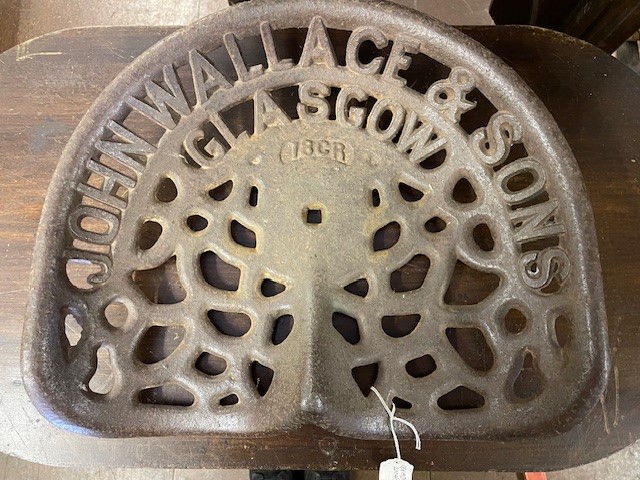
Tracter seat and bench from the Hope MacDougall Collection.
The aims of this part of the project are:
Working with local young people to co-create a brand-new onsite exhibition showcasing our agricultural collection, along with some specially chosen supporting objects.
Connecting with community groups who are actively involved in sustainable food production, to learn from and share their incredible work.
Collaborating with local videographer Beth Chalmers to produce a documentary-style film that brings these stories to life – perfect for our international friends and supporters who want to join the journey from afar.
Stitch & Spin – the Dunollie Blanket
Stitch & Spin group meeting supported by new head practioner Howie of Dunollie, the museum cat.
Meanwhile, our Stitch & Spin group is keeping the creativity flowing. After the amazing success of their traditional gansey-patterned coaster sales, the group is now working on something truly exciting – the Dunollie Blanket. Each member is knitting or crocheting a 6×6 inch square, which will be stitched together into a beautiful display piece for our museum.
We really wanted the Dunollie blanket to display not just the community here on site, but that which we feel from those across the world. Whether you’re around the corner or across the world, we’d love you to contribute a square. It’s a brilliant way to connect through traditional skills, wherever you are. We have already starting receiving squares in the post and are so excited to see all the others which we know are on their way! If you would like to be part of this project, you can drop off or post your square to us – and if you need more info, just email shannen@dunollie.org.
Bringing the Collection Online
Behind the scenes, something big is also in the works. We’ve been busy transferring our entire object database over to Ehive, an online platform that will soon let anyone browse our collection from anywhere in the world. This is a huge step for us – not just in terms of accessibility, but in making Dunollie’s stories and heritage available to a global audience.
It’s been a lot of work, but we’re aiming to launch the digital collection by winter. So whether you’re a researcher, heritage enthusiast, or just curious, you’ll soon be able to explore Dunollie’s treasures with ease. Watch this space!
This project was made possible thanks to the generosity of National Lottery Players through funding from the National Lottery Heritage Fund. If you have any questions or wish to get involved in Sophy & White: The Dunollie Collections Unboxed Project, please email shannen@dunollie.org
On Saturday 10th May, we were thrilled to welcome visitors to Scottish Textile Traditions: Craft & Heritage at Dunollie, a pop-up exhibition celebrating the rich textile history of Dunollie and the West Coast of Scotland.
Set against the stunning backdrop of the Oban coastline, the event offered a unique evening of heritage, hands-on demonstrations, and community creativity, all part of our ongoing Sophy & White: The Dunollie Collections Unboxed project, made possible thanks to support from the National Lottery Heritage Fund.
A Warm West Coast Welcome
Guests arrived from 4pm and were greeted with glasses of prosecco on our sun-drenched terrace, setting a relaxed and sociable tone for the evening. The event officially opened at 4:30pm with a warm welcome from Collections Development Officer Shannen Provan-Sloan, who introduced the themes of the evening and the community behind the project.
Exploring the Exhibition
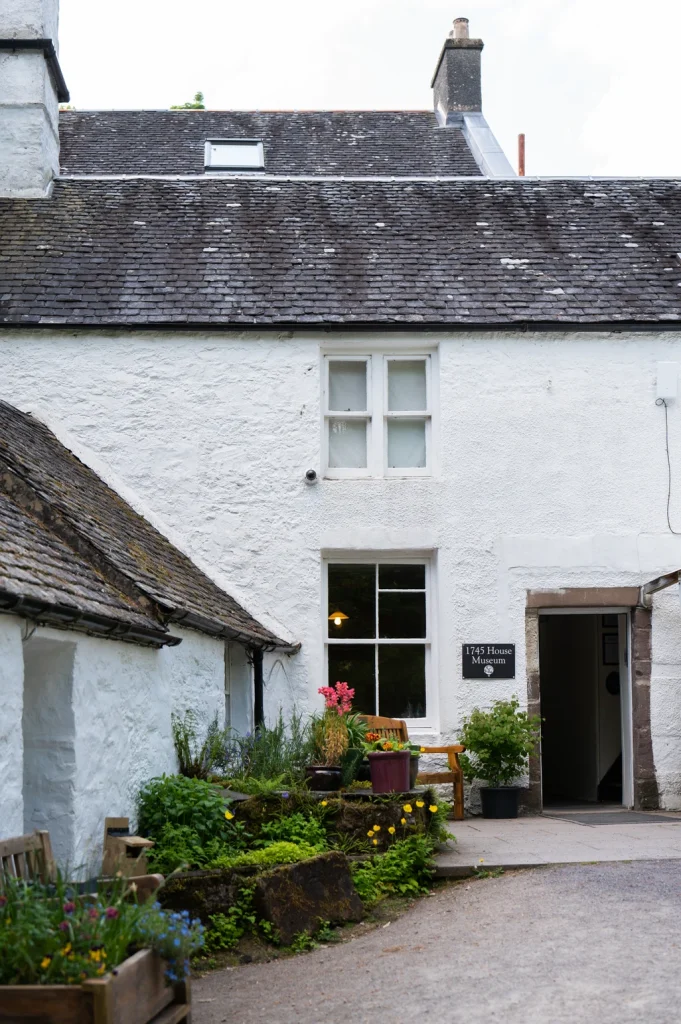
The exhibition was spread across two rooms in Dunollie’s historic 1745 House, offering a rare chance to view beautifully preserved textiles and tools from our collections, many of which had never before been on public display.
The Loom Room
Highlights from the 1st exhibition room included:
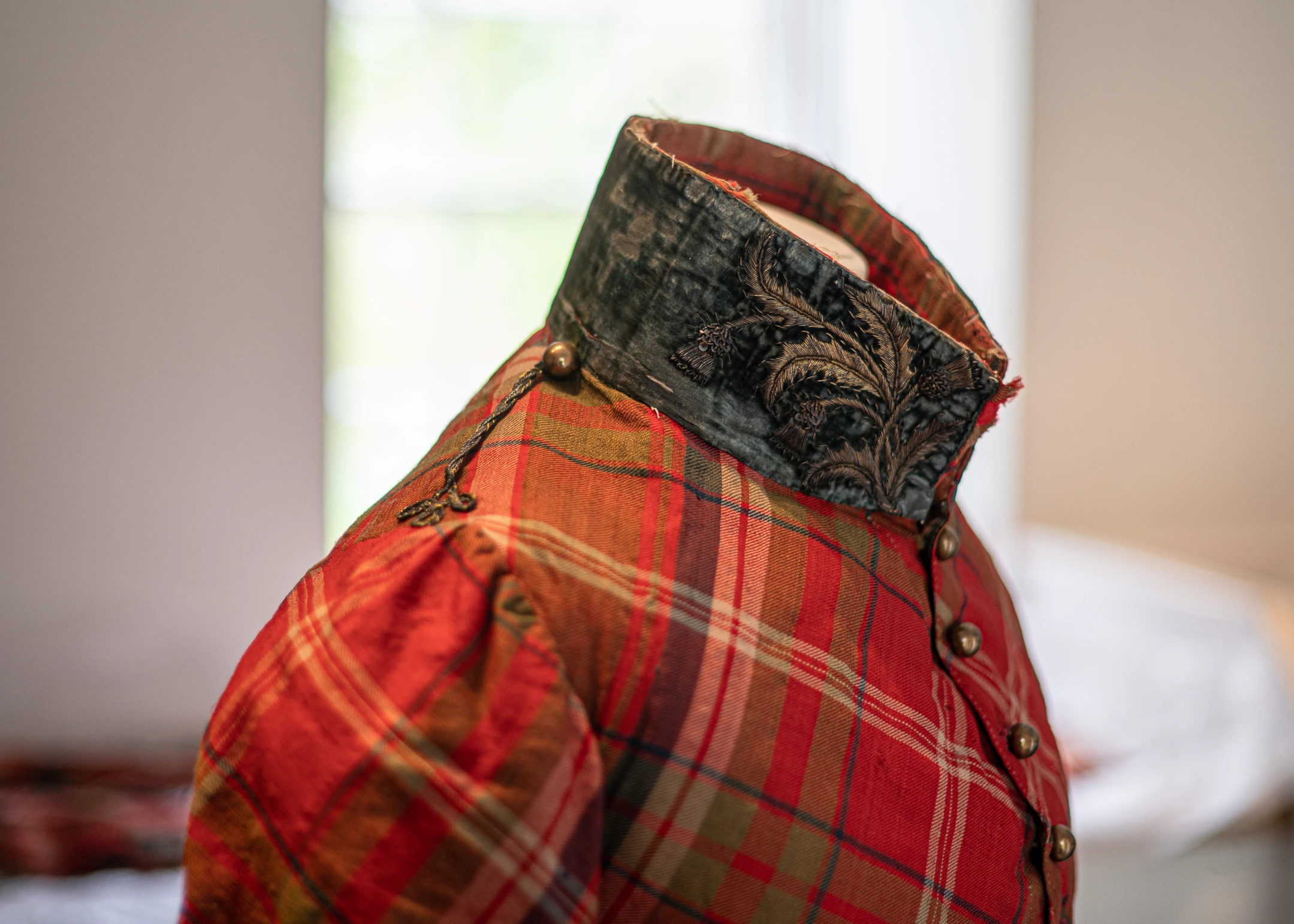
The tartan jacket worn by Admiral John MacDougall, 26th Chief, when he met King George IV in 1822, during the height of the Highland Revival.
A 19th-century industrial loom used by Miss Hope MacDougall to weave MacDougall tartan, accompanied by samples of the tartan she created herself.
A spinning wheel believed to have belonged to Mary MacDougall; the last child born in Dunollie Castle in the 1740s.
A handmade table loom, fabric swatches, and two handwoven blankets, each with their own remarkable story of craft and community, from Inverary to Balmacara.
The Loom Room also featured a documentary on Stitch & Spin, filmed and edited by Beth Chalmers, offering insight into the volunteer group at the heart of the exhibition.
The Reading Room
In the second space, the focus shifted to domestic and decorative textile traditions:
A four-drawer cabinet and a beautifully hand-stitched textile tool roll filled with antique crochet hooks, knitting needles, and rug-making tools.
Two exquisite Paisley shawls, one woven by machine and another of fine material once worn by Hope MacDougall’s Great Aunt Kitty. These shawls showcased the global influences and intricate patterns that shaped Scottish textile history in the 19th century.
Stitch & Spin volunteers Sheila and Elinor offered live knitting and crochet demonstrations in the Reading Room, while out on the terrace, Helen and Jill gave spinning demonstrations, inviting guests to try the traditional craft for themselves.
Community at the Core
Throughout the evening, there was a relaxed, celebratory atmosphere, with old friends reconnecting and new visitors discovering Dunollie for the first time. Many took the opportunity to explore the museum grounds and climb to the castle, enjoying springtime views over the bay.
The event also sparked enthusiasm for the work of our volunteer textile group. Several guests enquired about joining Stitch & Spin, whose members meet weekly at Dunollie to learn and practice heritage textile skills.
In the shop, we launched a beautiful new product created by the group: hand-knitted coasters, crafted from pure Shetland wool and inspired by traditional fisherman’s ganseys, a tribute to Scotland’s coastal and crafting legacy. These designs reflect the patterns and techniques used in historic knitwear and connect directly to a number of original fisherman’s ganseys held in Dunollie’s Social History Collection. Each gansey in our collection tells its own story, representing the practical artistry of Scotland’s fishing communities and their regional identities through stitch.
Continuing the Story
This exhibition is part of Sophy & White: The Dunollie Collections Unboxed, a project that brings hidden stories from our collections into the public eye. Stitch & Spin was formed as part of this initiative, with a mission to preserve and share textile knowledge deeply rooted in Scotland’s social history.
Thank you to everyone who joined us for this very special event, and especially to our dedicated volunteers, whose talent, care, and creativity made it all possible.
If you’re interested in becoming part of Stitch & Spin, please get in touch at info@dunollie.org, we’d love to hear from you.
As we move towards the conclusion of the second phase ofour project; Wear it or Sleep in it, our team is excited to share the incredible progress we’ve made. Over the past two months, we have been deeply engaged in planning and implementing key aspects of this project, from developing a unique shop product to curating a pop-up exhibition that will serve as the grand finale of this stage. Alongside this, our work with the collections team continues to expand our understanding of Dunollie’s textile heritage, ensuring that these remarkable objects and traditions are preserved and shared with the wider community.
At its core, this project has been about fostering a shared passion for textiles, bringing together a group of makers, historians, and volunteers to explore Scotland’s rich weaving and spinning traditions. Through Wear it or Sleep in It, we have aimed to:
✔ Create a welcoming textile group where people can gather, learn new skills, and connect through a shared love of craft.
✔ Deepen our knowledge of Dunollie’s collection, including its blankets, plaids, shawls, and sashes.
✔ Explore the historical roots and production methods of Scottish textiles.
✔ Strengthen the expertise and capacity of our textile collections team.
A New Shop Product: Inspired by Tradition
One of the most exciting elements of this phase has been the development of a creative retail product inspired by Dunollie’s textile heritage. With the help of our Stitch & Spin group, we have sourced Shetland wool, and the team has been enthusiastically crafting a beautiful range of handmade coasters. Their productivity has exceeded expectations, these handcrafted pieces will officially launch at our upcoming pop-up exhibition, giving visitors the opportunity to take home a piece of Scotland’s textile story.
Handmade coasters made from shetland wool by the Stich & Spin Group
Our coasters are based on knitting patterns for traditional fisherman’s ganseys, the origins of which are still debated, though evidence suggests they could originate from the Island of Guernsey in the English Channel, or from the Old Norse garn or ‘yarn’ suggesting Scandinavian connections.
Ganseys were knitted in un-oiled 4 ply wool on four size 14 needles to make a firm fabric that was almost wind and waterproof. They were one-piece garments with sleeves knitted from armhole to wrist, making repair easy since a ragged cuff could just be pulled out and re knit. Their design was practical in nature, for example an absence of buttons on the front made them suitable for working with herring nets, and their lack of seams contributed to their resistance to the elements. Whilst these garments were hand knitted, there were no written instructions, with designs instead being copied from existing patterns or designed by women themselves and passed down to other relations.
Some traditions state that a drowned man could be identified by the pattern on his gansey, with patterns being regional in nature.
In our collection, we have a number of knitted items, as well as textile production tools, natural dye samples and recipes, and other related objects. We have two knitted ganseys, both donated to Miss Hope MacDougall in 1984 by a family in Banffshire. Her typewritten label for one of them reads: “Gansey, heather colour, stripe and diamond. 1984. Given by [donor]’s married daughter who’s mother in law had knitted it. Gardenstown.”
It was important to us that the shop product we produced as part of the ‘Wear It or Sleep In It’ element of Sophy & White related not just to items within our collections, but the industries and stories that Hope was attempting to capture within her collecting.
Capturing the Process: A Behind-the-Scenes Documentary
Throughout this journey, filmmaker Beth Chalmers has been documenting the creative process, capturing the learning, collaboration, and artistry that have shaped this project. Once finished, this documentary will allow us to share our journey with a wider audience, celebrating the revival of traditional textile techniques.
Scottish Textile Traditions: Craft & Heritage at Dunollie
The culmination of this phase will be our special pop-up exhibition, Scottish Textile Traditions: Craft & Heritage at Dunollie, taking place on Saturday, May 10th, from 4 PM to 7 PM at Dunollie Museum, Castle & Grounds. This event will be a unique opportunity to step into Scotland’s textile past, featuring a rich display of historical tools, such as looms and spinning wheels, alongside rare textiles from our collection, many of which have never been publicly exhibited before.
Live demonstrations of traditional spinning and weaving techniques will provide hands-on insight into the craftsmanship that has been passed down through generations. Visitors will even have the chance to try their hand at spinning, gaining a deeper appreciation for the time-honored skills that shaped Scotland’s textile industry.
A highlight of the evening will be an academic talk by expert Catherine Gilles, who will delve into the history of Dunollie’s textile traditions, bringing context to the objects on display and enriching our understanding of the role textiles played in Scotland’s past.
This event will also mark the official launch of our new shop product, crafted by Stitch & Spin, celebrating the heritage techniques we have been exploring. Guests will enjoy exclusive after-hours access to the museum, shop, and castle, along with a specially curated menu and refreshments, including a glass of fizz, to enhance the evening’s atmosphere.
For those with a passion for history, craft, and traditional skills, this is an event not to be missed!
Advancing the Collections Work
Alongside our exhibition preparations, our work with Dunollie’s textile collections has continued to grow. Volunteers have been meticulously documenting key objects, ensuring their histories are preserved for future generations. Others have been carefully selecting items for display at the exhibition, curating a selection that tells a compelling story of Scotland’s textile past.
Looking Ahead
With just weeks to go until the exhibition, we are focused on finalizing the remaining details and ensuring this event is a fitting celebration of everything we have learned and achieved through Wear it or Sleep in it. This has been a truly collaborative effort, and we are incredibly grateful to our volunteers, team members, and supporters who have helped bring this project to life.
We can’t wait to welcome you to Scottish Textile Traditions: Craft & Heritage at Dunollie and share this journey with you!
This was made possible thanks to the generosity of National Lottery Players through funding from the National Lottery Heritage Fund. If you have any questions or wish to get involved in Sophy & White: The Dunollie Collections Unboxed Project, please email anna@dunollie.org
As part of Dunollie’s ongoing collections-based project ‘Sophy & White’, one of our goals is to audit, review and stabilise both of the collections that we care for here at Dunollie. This includes a collection of historic textiles inherited from the MacDougalls of Dunollie themselves over the last decade.
When two staff members from the National Library of Scotland visited our site in October 2024 to learn more about Dunollie, they were generous enough to offer to support our project and asked what challenges we were facing in the current stage. We were struggling to re home an iconic 19th century bodice once owned by Sophy MacDougall (formerly Timins), wife of the clan’s 25th chief. As it has such large, puffed sleeves – which to protect the garment must remain so – a custom made to measure box was necessary. The wonderful team at the National Library of Scotland kindly had this box made for and delivered to us, and one of Dunollie’s most eye-catching pieces is in a safe home once more.
Sophy’s Bodice
Sophy, who married Admiral John MacDougall, 25th Chief of the clan, was the great woman of the 19th century at Dunollie. After meeting Sophy in Cheltenham, John wrote to her father in 1825 that he wanted to marry her – she was just 19, and he was 36. Her father spoke highly of Sophy, writing that “I have never in one instance of her life had to complain of the disposition of a child whose whole conduct from infancy has been a source of comfort and honest pride in her parent.” He also stated that he was not able to pass over any sort of substantial dowry, should John and Sophy marry. Nevertheless, in 1826, they wed, and Sophy moved from Cheltenham, in England, up to the blustery west coast of Scotland, to take up residency at Dunollie as the wife of a Highland Chief.
Though Sophy was to go on to become one of the most respected names in the clan’s story, it did not happen overnight. In 1835, John’s mother Louisa Maxwell wrote to his brother Allan that she had misgivings about the way that Sophy was managing Dunollie. She exclaimed that Sophy “sits upstairs like a china ornament and entrust(s) everything entirely to the management of servants, who don’t care at what risk or expense the thing is done if it is done in appearance to please the Master or the mistress.” Sophy, whether she knew about these comments or not, went on to prove herself much more than just a pretty ornament. By the time John went to sea in 1846, he was confidently leaving Sophy in charge of his affairs, rather than trusting them to his brothers, who resented his confidence in his wife. She wrote to John in 1846 that she had assured Allan “that in your absence you had confided the superintendence of your affairs to me” and that John’s other brother, Peter, had been firmly reminded that “you had thought fit to entrust me with the management of this place.” Peter was, Sophy’s letter goes on to say, in a “towering rage” – but this did not shake Sophy. She was proud that her husband seen her for the intelligent, capable woman that she was – able to run their home more effectively than any brother could in his absence.
She proved herself a proactive and efficient estate manager later in 1846 when a disease attacks potato crops throughout the Highlands. Sophy writes to John, “some of your tenants lost 40 out of 50 barrels. Out of 45 carts dug here 5 were destroyed, and had I not made the men open the pits eight days after they were dug, and aired and dried the whole, putting some up with dry sand and some with lime, our loss would also have been serious.”
These responsibilities that were such a source of pride for Sophy, did also weigh heavily on her, with John’s mother writing to him in 1848 to say that Sophy “is very thin and looks careworn, which is not to be wondered at after three years and more of anxiety… from the weight of responsibility that has naturally devolved upon her.” Raising 9 children whilst carrying the responsibility of an estate like Dunollie could have been no easy feat, but Sophy carried on regardless – like the strong MacDougall women before and after her.
We have a number of items of Sophy’s clothing in our collection, from the 1830’s onward. She was fond of a bright colour palettes including various shades of pink – the boldest of which colours the bodice we have thankfully re-homed. It is a shocking shade of magenta pink, and the incredibly wide silhouette created by both the widened neckline and extravagant puffed sleeves were a particular staple of 1830’s high fashion – often paired with extravagant hats and an above the ankle length petticoat. A piece like this would have been commissioned, likely from a dressmaker in Edinburgh, as the workmanship is exquisite.
Thank you once again to the National Library of Scotland for supporting our project and helping us give a safe and secure home to one of the treasures of our collection. Protecting our historic textiles will allow stories like Sophy’s – pretty young wife turned strong, resourceful, intelligent estate manager – to live on for generations to come.
Sophy’s Bodice in it’s new box
The Sophy & White Project was made possible thanks to The National Lottery Heritage Fund for Scotland. Find out more about the project here: The Sophy & White Project | dunollie
If you too would like to support out conservation efforts, you are welcome to email us on info@dunollie.org to find out more about our most urgent needs and ongoing projects or simply leave us a donation through our website: Donations | dunollie